AVR NottinghamHealthTitle no. 4
An In-Depth Analysis of the Benefits of Mobile Massae
A close look at mobile massage: what changes when the therapist comes to you, who gains most, how it compares with a clinic visit and how to prepare.
3 min
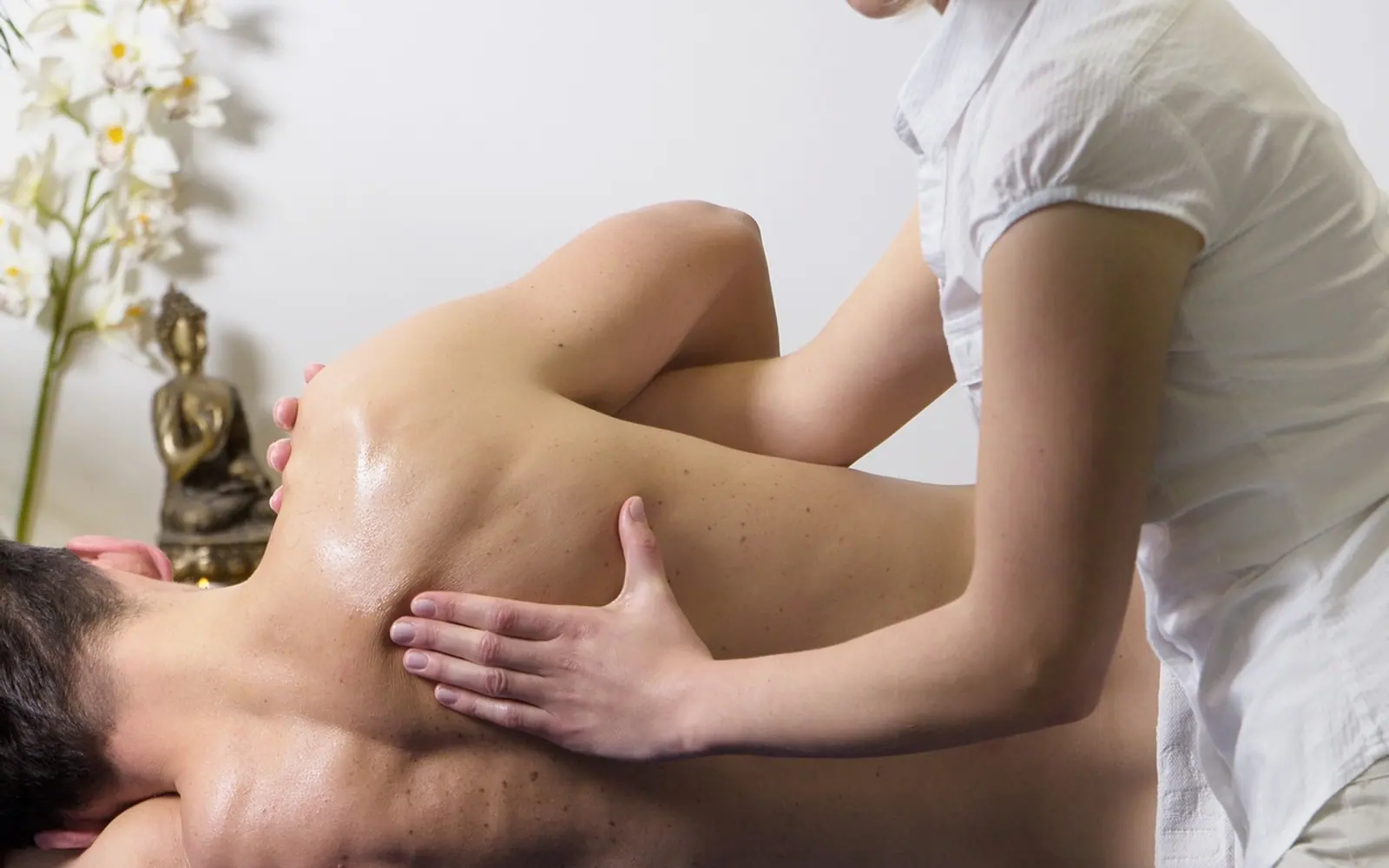
The hour on the table is only part of a massage. There is also the drive across town, the search for parking, the wait in reception and, afterwards, the trip home through traffic that undoes some of the calm. Mobile massage removes most of that by bringing the therapist, the table and the oils to the client's own space. That one change has more knock-on effects than people expect.
What actually changes when the therapist travels
The treatment itself is much the same: the techniques, the pressure and the attention to tight shoulders or a stiff lower back do not depend on the room. What shifts is everything around it. Clients start the session already settled, because they are in a place they know. Afterwards they can lie still, drink some water and go straight to bed or sit quietly, rather than switching back into driving mode within minutes.
Timing becomes easier too. A session can fit into a lunch break at home, a late evening after the children are asleep, or a Sunday afternoon when clinics are closed. When the barrier to booking falls, people tend to book more regularly, and regularity is where much of the benefit of massage comes from.
Clinic visit versus home visit
| Aspect | Clinic or studio | Mobile session |
|---|---|---|
| Travel | Client travels both ways | Therapist travels; client stays put |
| Setting | Shared, standardised room | Own lighting, music and temperature |
| Scheduling | Set opening hours | Often more flexible, including evenings |
| After the session | Straight back out into traffic | Time to rest without leaving |
| Groups | Usually one person at a time | Several people can book back to back |
Who tends to gain the most
People with limited mobility are an obvious group. Someone recovering from an operation, living with a long-term condition or caring for a relative at home may find a trip to a studio more draining than it is worth. Desk workers with stiff necks and hips benefit from the ease of booking regularly. People who train hard often like to have a session the evening after a long run or a heavy gym day, when going out again is the last thing they want.
Groups are another case. Friends before a wedding, a family gathering or a small team at the end of a busy week can book sessions one after another in the same place, which turns care into something shared and relaxed.
In cities where travel eats a large part of the day, the appeal is easy to see. Booking a mobile massage therapist london residents can rely on means the calm of a session arrives at the front door instead of waiting at the end of a commute.
Preparing your space
- Clear a patch of floor roughly the size of a single bed plus walking room around it.
- Warm the room a little; lying still makes people feel cooler than expected.
- Have towels ready, and mention any scent or oil sensitivities when booking.
- Put phones on silent and let others in the household know the session time.
- Drink some water before and after, and leave a quiet half hour free afterwards.
A note on health conditions
Massage is gentle for most people, but anyone who is pregnant, has a blood clotting disorder, a recent injury, a skin condition or a heart condition should check with their GP first and tell the therapist before the session starts. A good therapist will ask about this anyway and adapt the pressure or the areas they work on.
Our reading habits
Principles behind every article we research
A few rules decide which sources we trust and how much weight a claim can carry before it reaches the page.
Guidance written for patients by public health services is our first port of call.
When trusted bodies disagree, the article says so instead of choosing the boldest view.
Any brand or company selling the product under discussion is never treated as neutral.
Doses and personal targets stay out, because they belong in a conversation with a professional.
Every finished draft is checked by a second writer against the sources it relies on.
The end
Guide details
- Title no.
- 4 / 30
- series
- Health
- Published
- Time to read
- 3 min
- Contents
- 5 sections