AVR NottinghamHealthTitle no. 33
Tension Headache vs Migraine: How to Tell Them Apart
A tight band or a one-sided throb? How tension headaches and migraines usually differ in feel, timing and triggers, plus home care and when to see a doctor.
3 min
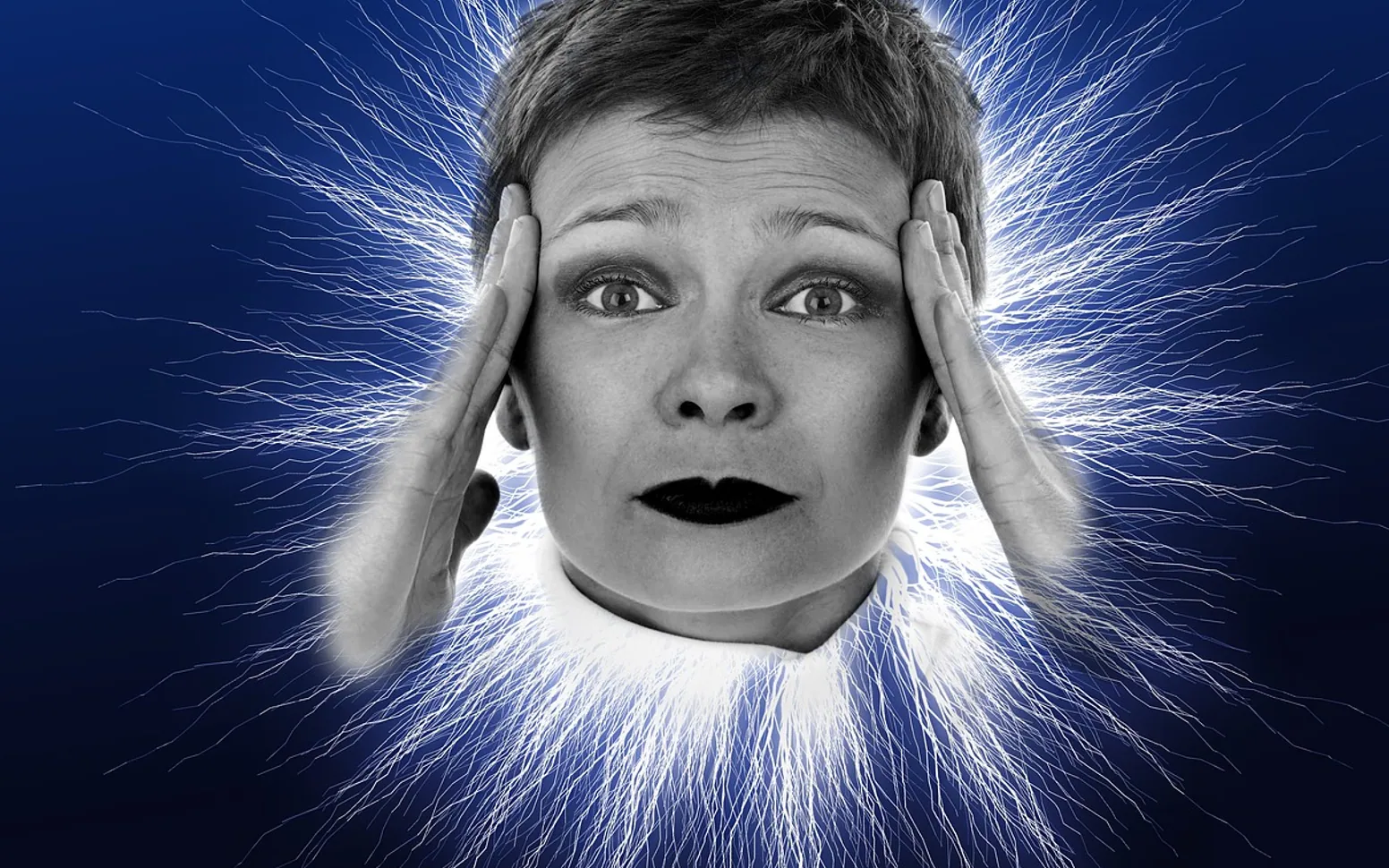
A tension headache usually feels like a steady, pressing band on both sides of the head and lets you carry on with your day, while a migraine is more often a throbbing pain on one side that gets worse with movement and comes with sickness or sensitivity to light and sound. That is the short version. Real headaches do not always read the textbook, and some people get both types, so the details below are a guide rather than a diagnosis.
Side by side
| Feature | Tension-type headache | Migraine |
|---|---|---|
| Where it hurts | Both sides, forehead, temples or back of the head | Often one side, though it can spread or switch |
| How it feels | Pressing, tight, like a band or a heavy hat | Throbbing or pulsing |
| Strength | Mild to moderate | Moderate to severe |
| Effect of moving | Little change on stairs or walking | Usually worse with routine activity |
| Other symptoms | Tight neck or shoulders are common | Nausea, vomiting, dislike of light, sound or smells |
| Warning signs beforehand | Rare | Some people get an aura: zigzag lines, blind spots or tingling |
| Can you carry on? | Usually, if less comfortably | Often need to stop and lie down in a dark room |
What sits behind a tension headache
Tension-type headaches are the most common kind. The name points to their usual companions: tight muscles in the neck, scalp and shoulders, stress, long stretches at a desk and poor sleep. Hunger, too little fluid and eye strain often play a part as well.
Clenching the jaw is an easily missed contributor. People who grind or clench at night may wake with an ache around the temples, and the habits in our piece on stopping teeth grinding can be worth a look if that pattern sounds familiar.
What sits behind a migraine
Migraine is a condition of the brain and nerves rather than simply a bad headache, and it often runs in families. Attacks can come in phases: a vague build-up of tiredness, yawning or food cravings, sometimes an aura, then the headache itself, and finally a washed-out feeling that can last a day. Common triggers people notice include:
- missed meals or irregular eating
- too little sleep, or a long lie-in at the weekend
- stress, and sometimes the drop in stress at the start of a holiday
- alcohol, particularly for some people
- hormonal changes, such as around a period
- bright or flickering light, strong smells or loud noise
Alcohol deserves a note of its own, because it also breaks up the second half of the night, and a poor night is a trigger in itself. Our article on what a nightcap does to your sleep explains that knock-on effect.
Home care for each type
Easing a tension headache
The basics work surprisingly often: a drink of water, something to eat, a break from the screen and a few minutes of gentle neck and shoulder movement. Warmth on tight muscles suits many people. Some find that regular massage helps keep the neck and upper back from locking up, and a therapist who visits at home is one option; our look at the benefits of mobile massage covers how that works. For a fuller list of first steps, see how to get rid of a headache.
Riding out a migraine
Many people do best by acting early, when the first signs appear. Resting in a quiet, dark room, sipping water, a cool cloth on the forehead and sleep if it comes are the usual comforts. Over-the-counter pain relief helps some people, but always follow the packet, check with a pharmacist that it suits you, and avoid taking painkillers on many days each month, as that can make headaches more frequent. If attacks are regular or disruptive, a doctor can talk through treatments that are not available over the counter.
A diary makes the difference
If you are unsure which type you have, keep notes for a few weeks: when each headache started, where it hurt, how it felt, what you had eaten and drunk, how you slept and what helped. Patterns tend to show up, and the record is very useful if you see a GP.
When to see a doctor
Book an appointment if headaches are getting more frequent or stronger, if you have them on most days, if they change in character, or if you get an aura for the first time. Seek urgent help for a sudden, severe headache that peaks within moments, a headache after a head injury, or one that comes with a stiff neck and fever, confusion, weakness, numbness, slurred speech or changes in vision.
Our reading habits
Principles behind every article we research
A few rules decide which sources we trust and how much weight a claim can carry before it reaches the page.
Guidance written for patients by public health services is our first port of call.
When trusted bodies disagree, the article says so instead of choosing the boldest view.
Any brand or company selling the product under discussion is never treated as neutral.
Doses and personal targets stay out, because they belong in a conversation with a professional.
Every finished draft is checked by a second writer against the sources it relies on.
The end
Guide details
- Title no.
- 33 / 33
- series
- Health
- Published
- Time to read
- 3 min
- Contents
- 6 sections