AVR NottinghamHealthTitle no. 3
Male Enhancement and the Fear of Vulnerability
How the drive to perform can hide a fear of emotional openness in men, what suppression costs, and small ways to practise vulnerability with support.
2 min
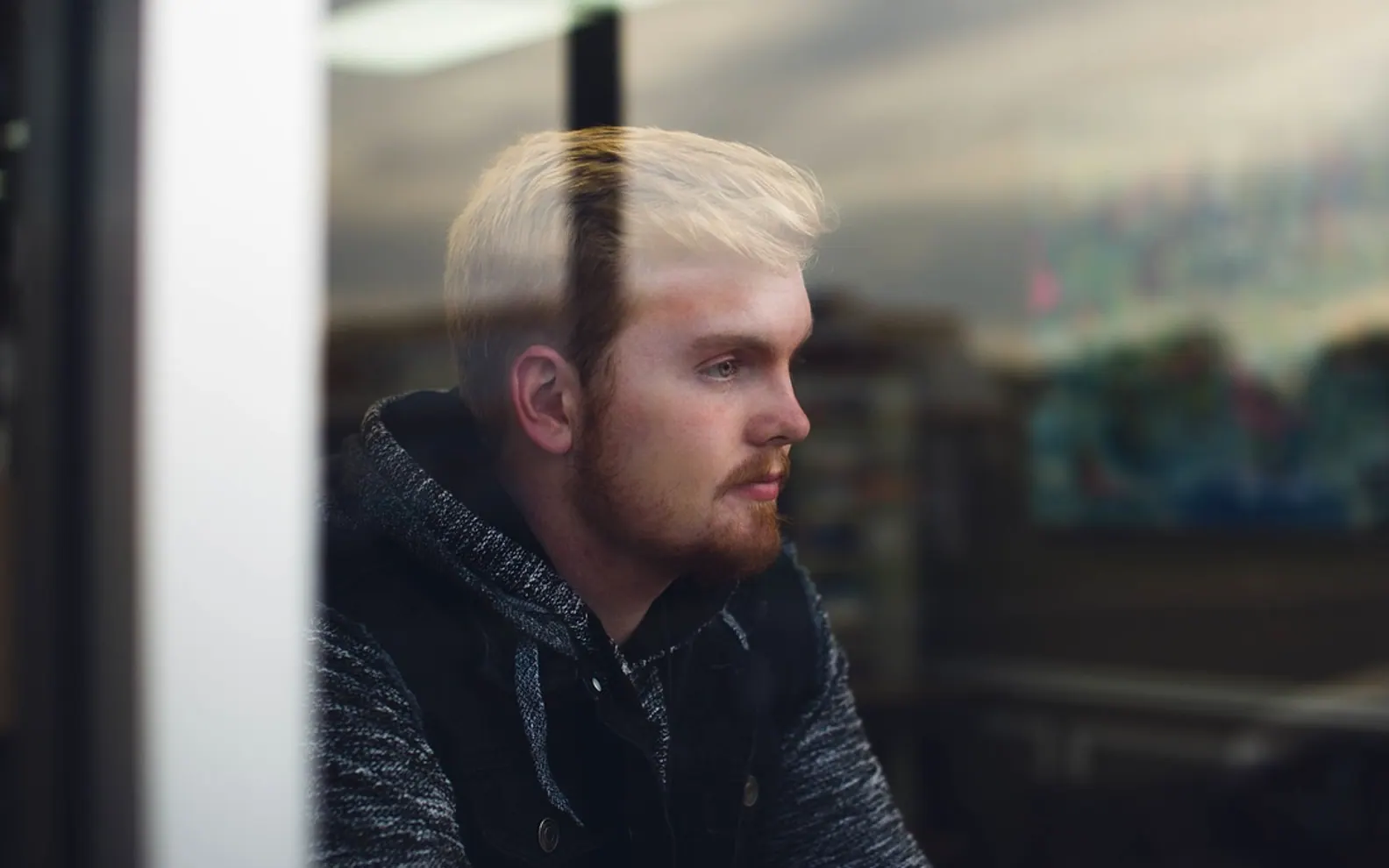
Much of the talk about men's wellbeing still centres on performance: stronger, harder, longer, better. Supplements, gadgets and procedures promise improvement, and the promise is usually physical. Underneath that conversation sits a quieter subject that gets far less airtime. For many men, the push to perform is tied up with a fear of being seen as anything less than fully in control.
Performance as armour
Male enhancement is often discussed as a matter of products and results, but writing on men's psychology increasingly looks at it through a different lens: what it reveals about how men measure their own worth. Seen that way, the subject becomes less about the body and more about identity, expectation and the stories men are told about strength.
When worth is measured mainly by output, any sign of struggle feels like failure. The natural response is to cover it, fix it quietly or push harder, rather than admit it and ask for help.
Where the fear comes from
Many boys learn early that crying, worrying or saying "I don't know" invites teasing. Films, sport and peer groups often reward toughness and treat openness as a weakness. By adulthood, the lesson is deeply set. Men are frequently described as slower to seek help for their mental health, and shame or fear of looking weak is one of the reasons people give. Feelings do not disappear when they are pushed down; they tend to come out sideways, as irritability, withdrawal, overwork or heavy drinking.
What bottling it up can cost
- Partners may feel shut out, and closeness becomes harder to sustain.
- Friendships can stay on the surface, built on banter rather than trust.
- Mental health takes the strain, with stress, low mood and anxiety building without an outlet.
- Physical health may suffer too, as long-running stress affects sleep, appetite and blood pressure.
None of these happen overnight, which is part of the problem. The cost builds slowly enough to be ignored.
Practising openness in small steps
Vulnerability is less a dramatic confession than a habit built gradually. A few starting points:
- Name it privately first. Jot down, before bed, a couple of lines on what weighed on you or got under your skin.
- Choose one safe person. A partner, brother, old friend or colleague who listens without trying to fix everything.
- Say a little more than usual. Replace "fine" with one honest sentence about how the week actually went.
- Notice the urge to perform. When the reflex is to prove something, pause and ask what feeling sits underneath it.
- Use structured support. Talking therapies offer a confidential space to unpick old patterns at your own pace.
Redefining what strength looks like
Real strength includes the ability to say "I'm struggling" and stay in the conversation. Men who allow themselves that often find relationships become warmer, stress becomes easier to manage and pressure to prove themselves loosens its grip.
If worries about sexual health or performance are weighing on you, a GP is a good first stop: some concerns have physical causes worth checking, and a doctor can also point towards counselling. If low mood or anxiety feels overwhelming, reach out to your GP or a local mental health service promptly.
Our reading habits
Principles behind every article we research
A few rules decide which sources we trust and how much weight a claim can carry before it reaches the page.
Guidance written for patients by public health services is our first port of call.
When trusted bodies disagree, the article says so instead of choosing the boldest view.
Any brand or company selling the product under discussion is never treated as neutral.
Doses and personal targets stay out, because they belong in a conversation with a professional.
Every finished draft is checked by a second writer against the sources it relies on.
The end
Guide details
- Title no.
- 3 / 30
- series
- Health
- Published
- Revised
- Time to read
- 2 min
- Contents
- 5 sections