AVR NottinghamMedicalTitle no. 26
What Does a Sleep Technologist Do? A Night in the Sleep Lab
What a sleep technologist does on a typical night shift, the equipment they use, how recordings are scored, the skills involved and common routes into the role.
4 min
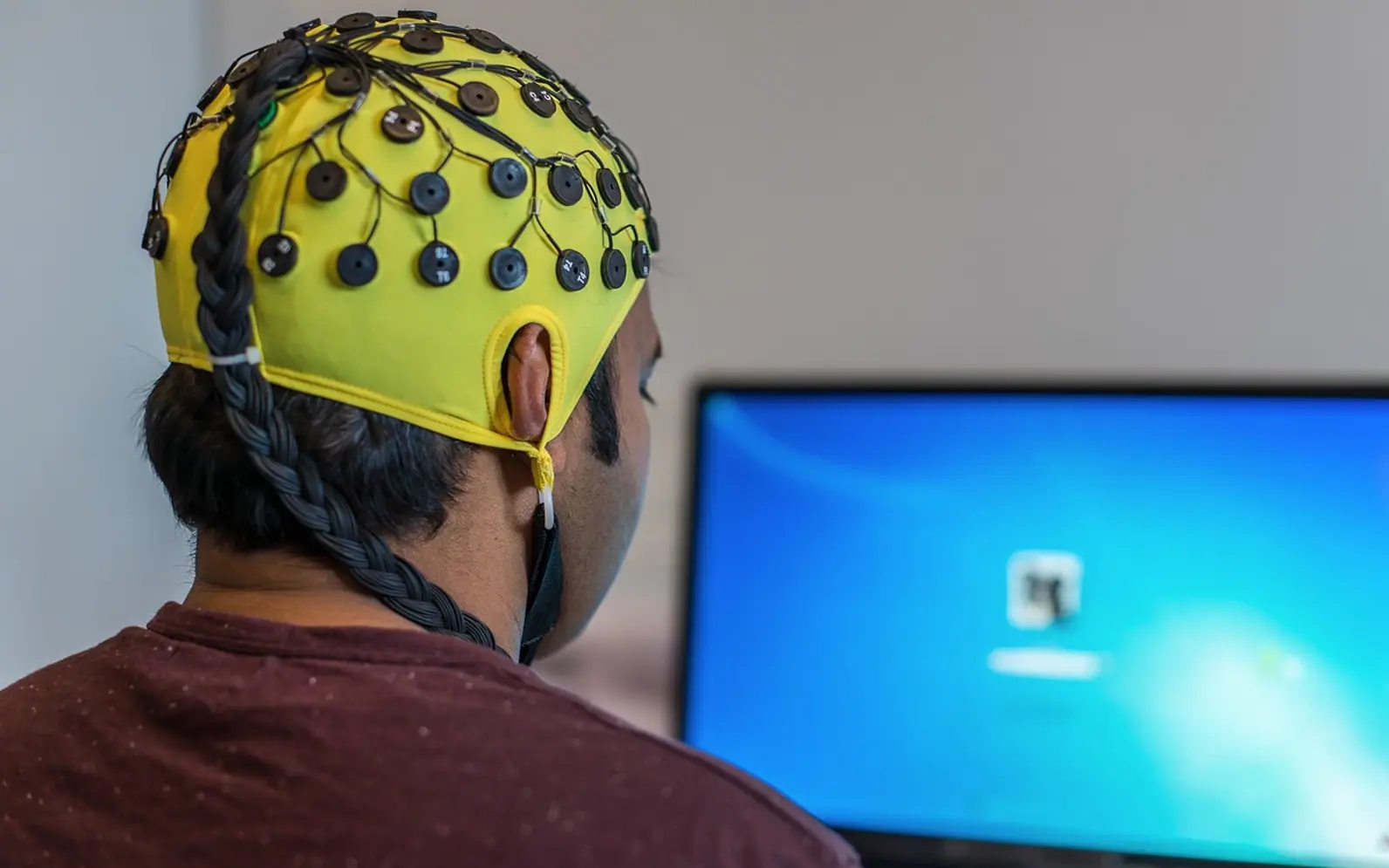
A sleep technologist runs the tests that help doctors diagnose sleep disorders. On a typical shift they welcome patients, attach sensors to the head, face, chest and legs, watch the recording through the night, step in when something goes wrong, and afterwards score the data so a sleep physician can interpret it. Many also fit and adjust CPAP machines, teach patients to use home test kits and run daytime sleepiness tests.
Other names for the role
The job goes by several titles depending on country and employer: sleep tech, polysomnographic technologist, sleep physiologist or clinical physiologist working in sleep. The core work is the same. A polysomnogram, the full overnight study, records many body signals at once, and the technologist is responsible for getting that recording right.
A typical night shift
- Early evening set-up. Rooms are prepared, equipment is calibrated and the evening's patient notes are reviewed.
- Patient arrival. The technologist explains what will happen, answers questions and checks medicines, symptoms and any special needs.
- Hook-up. Small sensors are placed on the scalp, beside the eyes, on the chin and legs, around the chest and on a finger. This usually takes a while and needs a steady, careful hand.
- Lights out. From a control room, the technologist watches live signals and a camera feed, noting events as they happen.
- Through the night. They fix loose sensors, help patients to the bathroom, start CPAP if a split-night protocol is planned and respond calmly to any medical concern.
- Morning. Sensors come off, patients fill in a short questionnaire and head home.
- Scoring. The recording is divided into short sections and each one is labelled by sleep stage, with breathing events, leg movements and arousals marked according to standard rules.
What they monitor
| Signal | What it shows |
|---|---|
| Brain waves (EEG) | Whether the patient is awake or asleep and in which stage |
| Eye movements (EOG) | The rapid movements that mark REM sleep |
| Muscle activity (EMG) | Chin tone, leg movements and teeth grinding |
| Heart tracing (ECG) | Heart rate and rhythm during sleep |
| Airflow and breathing effort | Pauses or shallow breathing and whether the body is still trying to breathe |
| Oxygen saturation | Dips that accompany breathing events |
| Video and sound | Snoring, position and unusual behaviours |
The sleep stages they label are the same ones described in our guide to sleep cycles, from light dozing to REM.
Daytime work
Not every shift is overnight. Daytime tasks can include nap studies that measure how quickly someone falls asleep in a quiet room, tests of how well someone can stay awake, CPAP mask fittings and troubleshooting, and preparing and downloading home sleep apnea test kits. Scoring and reports also take up a good share of daytime hours.
Skills the job calls for
Technical
- Precise sensor placement and a good eye for signal quality
- Understanding of basic anatomy, breathing and heart rhythms
- Comfort with computers, recording software and scoring rules
- Knowing when an event needs a doctor's input straight away
Human
- Putting nervous patients at ease, including children and people with learning disabilities or dementia
- Explaining equipment in plain words
- Staying alert and calm through the small hours
- Careful record keeping and clear handovers
The balance of practical skill and reassurance has a lot in common with other clinic roles, such as those described in our piece on orthodontic assistants and their training pathways.
Routes into the role
Pathways differ from one country to the next. Some people train through a college programme in sleep or neurodiagnostic technology; others come from respiratory therapy, nursing, physiology or another healthcare background and learn on the job. In the United States, many technologists work toward a registered credential from a professional board after gaining supervised experience. In the UK, sleep studies are often run by healthcare science staff who have trained in clinical physiology. Anyone interested should check local requirements with employers and professional bodies.
How the team fits together
| Role | Main focus |
|---|---|
| Sleep technologist | Runs studies, monitors patients, scores recordings, fits equipment |
| Sleep physician | Assesses patients, interprets studies, diagnoses and plans treatment |
| Dentist with a sleep interest | Fits and adjusts oral appliances |
| Psychologist or therapist | Delivers talking therapies for insomnia |
Our article on what a sleep specialist does looks at the doctor's side of the service.
Questions people ask
Is it always a night job?
Overnight studies are the heart of the work, so most technologists do some nights. Many services also have daytime roles for scoring, home testing and CPAP clinics.
Do sleep technologists diagnose patients?
No. They collect and score the data. A doctor reviews the study and makes the diagnosis.
What should patients bring to a sleep study?
Comfortable nightwear, usual medicines, toiletries and anything that helps you settle, such as your own pillow. Clean, dry hair without oils makes sensor placement easier.
Our reading habits
Principles behind every article we research
A few rules decide which sources we trust and how much weight a claim can carry before it reaches the page.
Guidance written for patients by public health services is our first port of call.
When trusted bodies disagree, the article says so instead of choosing the boldest view.
Any brand or company selling the product under discussion is never treated as neutral.
Doses and personal targets stay out, because they belong in a conversation with a professional.
Every finished draft is checked by a second writer against the sources it relies on.
The end
Guide details
- Title no.
- 26 / 30
- Published
- Time to read
- 4 min
- Contents
- 8 sections