AVR NottinghamSleepTitle no. 31
Sleep and Jet Lag on a Seoul Trip: Settling Into Korean Time
How to handle jet lag on a Seoul trip: daylight, meal timing, caffeine, late dinners and karaoke nights, hotel-room sleep and a calm wind-down.
5 min
The quickest way to adjust to Seoul time is to live on Korean time from the first morning: get outside in daylight early, eat meals at local hours, keep caffeine to the first half of the day and go to bed at a sensible local hour even if your body disagrees. Jet lag usually eases over several days rather than overnight, and the more consistently you follow the local clock, the sooner sleep tends to settle. Late evenings out are part of many trips, so the rest of this guide looks at how to enjoy them without losing the following day.
Why the body clock lags behind the plane
Your internal clock runs on cues such as light, food and activity. A long-haul flight moves you across several time zones in one go, but the clock only shifts gradually, so for a while your body expects sleep, hunger and alertness at the hours of the place you left. The result is the familiar mix of afternoon heaviness, wide-awake nights and an appetite that turns up at odd times. Travelling east, which is the direction for many visitors from Europe, often feels harder because the body has to move its day earlier.
A simple plan for the first three days
You do not need a complicated schedule. A few anchors repeated each day do most of the work:
- Morning light: spend time outdoors soon after waking. A walk along a river path or through a market gives the clock a strong signal that the day has started.
- Local mealtimes: eat breakfast, lunch and dinner at Korean hours, even if the portions are small at first.
- Short naps only: if you must nap, keep it brief and early in the afternoon so it does not eat into the night.
- Steady movement: sightseeing on foot keeps you alert through the slump and builds healthy tiredness for bedtime.
- A fixed bedtime: choose a local hour and keep to it, give or take a little, for the whole stay.
When should I stop drinking coffee?
Caffeine can be useful on a jet-lagged morning, but it stays in the system for hours. A practical habit is to enjoy coffee or tea in the morning and around lunch, then switch to caffeine-free drinks for the afternoon and evening. A decaf or a herbal tea keeps the café ritual without the wakefulness.
Planning late nights so they do not wreck the next day
Korean evenings often run late. Dinner can be a long, shared affair, and many groups move on afterwards to a noraebang, the private karaoke rooms found across the city. These rooms are booked by the hour, so it is easy to lose track of time once the songs start. A little planning keeps the fun and protects your sleep.
Before heading out, it helps to read up on how a karaoke evening usually works: how rooms are booked, how long a typical session lasts and what to expect when you arrive. The Karaoke of Gangnam Guide is one Korean-language resource that walks visitors through karaoke visits in the Gangnam area. Knowing the format in advance makes it easier to agree on an end time with your group.
Some practical points for a late night during the first week:
- Pick the late evening for the second half of the trip, once your clock has had a few days to shift.
- Agree with friends on a rough finishing time before the first song.
- Drink water between songs; the rooms can be warm and singing is thirsty work.
- If you drink alcohol, pace yourself, stop well before the end of the night and always use a taxi or the subway rather than driving.
- Plan a lighter morning for the day after, with an outdoor start rather than an early tour.
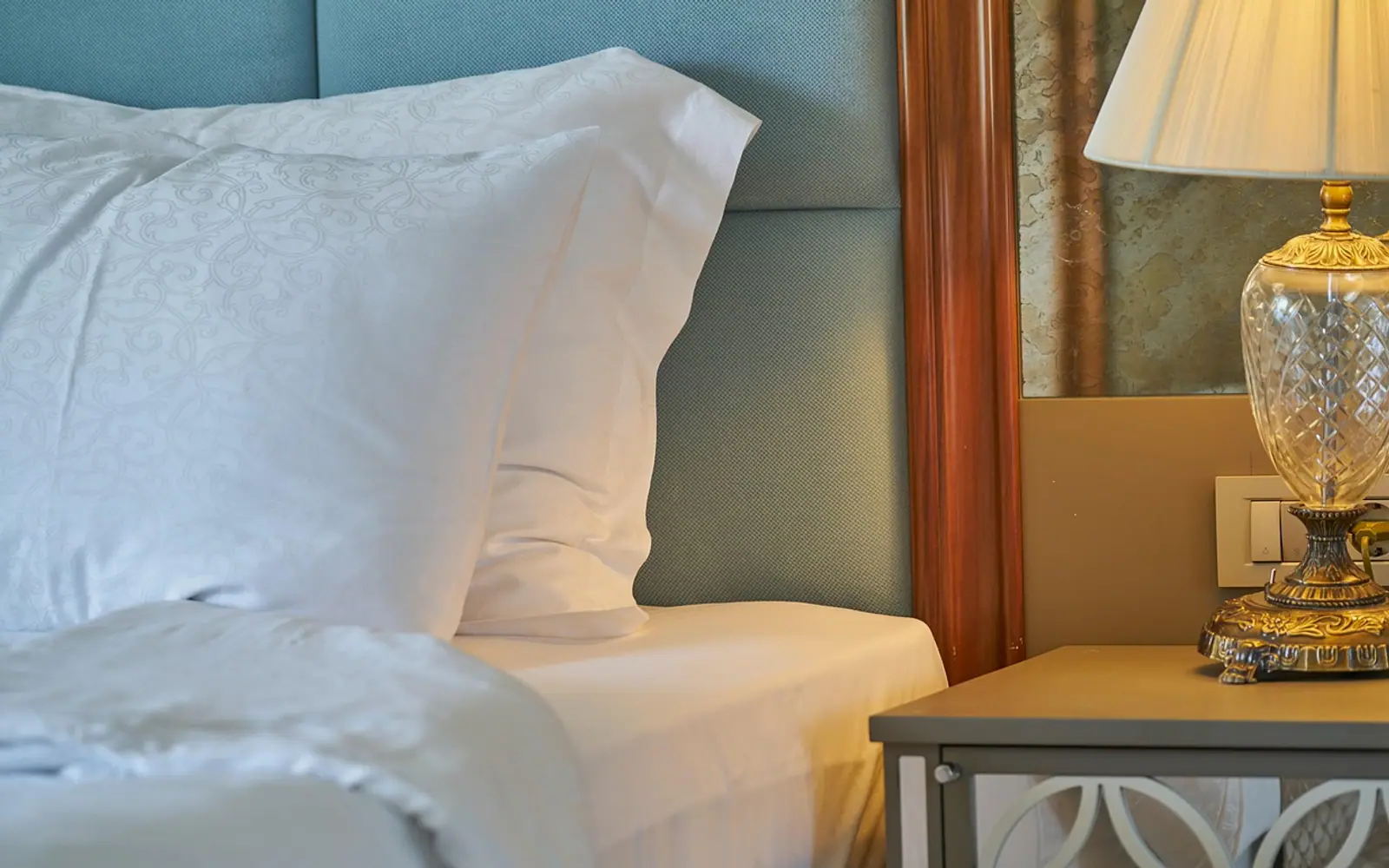
Making a hotel room easier to sleep in
An unfamiliar room adds to the effect of jet lag. A few small changes can make it feel calmer:
| Problem | What may help |
|---|---|
| City light through the curtains | Close blackout curtains fully or bring a soft eye mask |
| Traffic or corridor noise | Earplugs or a steady background sound |
| Room too warm | Lower the air conditioning a little before bed |
| Glowing screens and standby lights | Turn the TV off at the switch and cover small LEDs |
| Checking the time all night | Turn the clock and phone away from the bed |
If background sound helps you at home, the same approach can work on the road; our look at how brown noise compares with white and pink noise explains the differences.
A calm wind-down after a loud evening
After a noisy dinner or an hour of singing, the mind can feel switched on even when the body is tired. Give yourself a buffer between the evening and the pillow. Take a warm shower, dim the room lights and leave the phone on the far side of the room. Slow breathing, a few pages of a paper book or simply lying still in the dark all signal that the day is over. If sleep does not arrive, avoid lying there watching the minutes; the routines in our guide on how to fall asleep faster work just as well in a hotel bed as at home.
Is it better to stay awake all day on arrival?
Many travellers find it helps to stay up until a reasonable local bedtime on the day they land, with a short nap at most. Going to sleep in the middle of the afternoon can feel wonderful in the moment but often leads to waking in the small hours, which drags the adjustment out.
What about sleep aids?
Some people consider sleep medication or supplements for travel. These are not right for everyone and can interact with other medicines, so speak to a doctor or pharmacist before the trip rather than experimenting while abroad.
When to see a doctor
Jet lag usually fades within days once you follow the local routine. If poor sleep continues long after you get home, if you snore loudly or wake gasping, or if daytime tiredness affects your work or driving, it is worth talking to a GP. Persistent sleep problems can have many causes, and a professional can help work out what is going on.
A trip to Seoul can include early markets, long dinners and late songs alike. Treat daylight, meals and bedtime as fixed points, plan the big nights with the next morning in mind, and your sleep will usually catch up with the time zone before long.
Our reading habits
Principles behind every article we research
A few rules decide which sources we trust and how much weight a claim can carry before it reaches the page.
Guidance written for patients by public health services is our first port of call.
When trusted bodies disagree, the article says so instead of choosing the boldest view.
Any brand or company selling the product under discussion is never treated as neutral.
Doses and personal targets stay out, because they belong in a conversation with a professional.
Every finished draft is checked by a second writer against the sources it relies on.
The end
Guide details
- Title no.
- 31 / 31
- series
- Sleep
- Published
- Time to read
- 5 min
- Contents
- 6 sections