AVR NottinghamNutritionTitle no. 30
Why Does Alcohol Make You Sleepy? What a Nightcap Does to the Night
Why alcohol makes you sleepy, and why the second half of the night suffers: lighter sleep, less REM, bathroom trips, snoring and habits that help.
4 min

Alcohol makes you sleepy because it is a sedative: it dampens activity in the brain and nervous system, so drowsiness often comes on soon after drinking and falling asleep can feel easier. The catch arrives later. As the body clears the alcohol, sleep tends to become lighter and more broken, especially in the second half of the night. That is why a nightcap can feel helpful at eleven and unhelpful at four. The sections below explain the pattern and offer a few practical habits for evenings that include a drink.
What happens in the first few hours
Shortly after drinking, alcohol boosts the brain's calming signals and quietens its alerting ones. Many people notice heavier limbs, slower thoughts and a pull towards the sofa. If they go to bed in that state, they may drift off quickly and sleep deeply for a while.
That deep early stretch is part of why alcohol has a reputation as a sleep aid. It is not the whole story, though, because the night is made of repeating cycles, each with lighter stages, deep sleep and REM (dreaming) sleep. Alcohol changes the balance of those cycles. Our guide to sleep cycles, from light dozing to REM explains how a normal night is put together.
Why the second half of the night goes wrong
The liver breaks alcohol down at a fairly steady pace, and it cannot be hurried. As levels fall during the night, the sedating effect wears off and the body can swing the other way. Several things tend to follow:
- More waking. Sleep becomes shallower, and brief awakenings, some remembered and some not, become more frequent.
- Less REM early on, then a rebound. REM sleep is often held back in the first part of the night and may return in a more intense burst later, sometimes with vivid dreams.
- Bathroom trips. Alcohol makes the kidneys pass more water, which can mean getting up during the night.
- A dry mouth and thirst. Waking up parched is common after an evening of drinks.
- Louder snoring. Alcohol relaxes the muscles of the throat, which can make snoring worse and may aggravate pauses in breathing for people with sleep apnoea.
- Heartburn. Some people find that alcohol, especially with a late meal, brings on reflux when they lie down.
The result is a night that looked long on paper but leaves you groggy in the morning.
Does the type of drink matter?
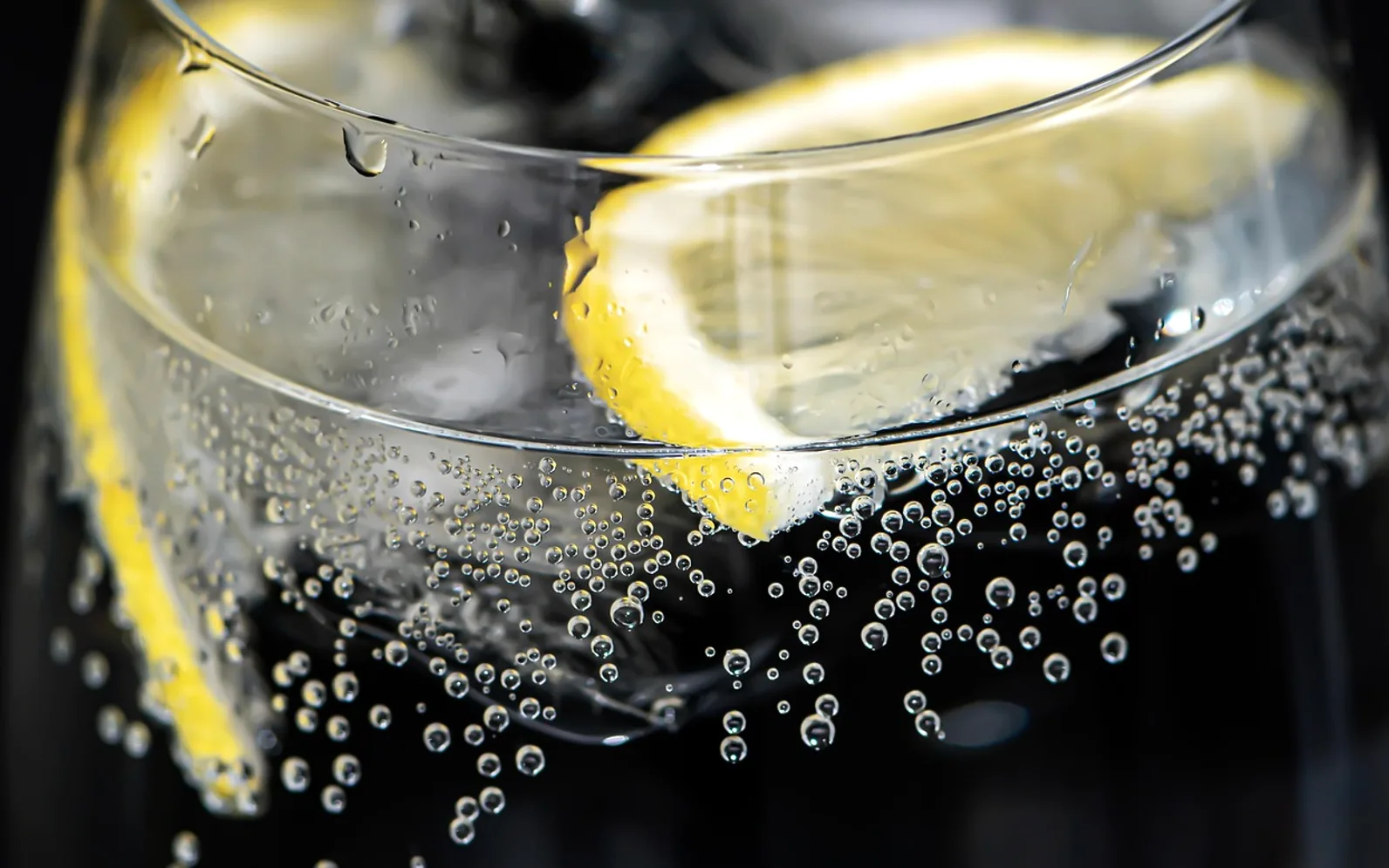
The main factor is the amount of alcohol, not whether it arrives as wine, beer or spirits. A large glass of wine and a double measure of spirits can carry similar amounts. Fizzy mixers may speed up how quickly alcohol is absorbed, and sugary drinks or salty snacks alongside can add to thirst, but these are small effects next to the total quantity.
Habits for evenings with a drink
None of these makes alcohol good for sleep, but they can soften its effect on the night.
- Leave a gap before bed. Finishing your last drink several hours before lights out gives the body more time to clear it while you are still awake.
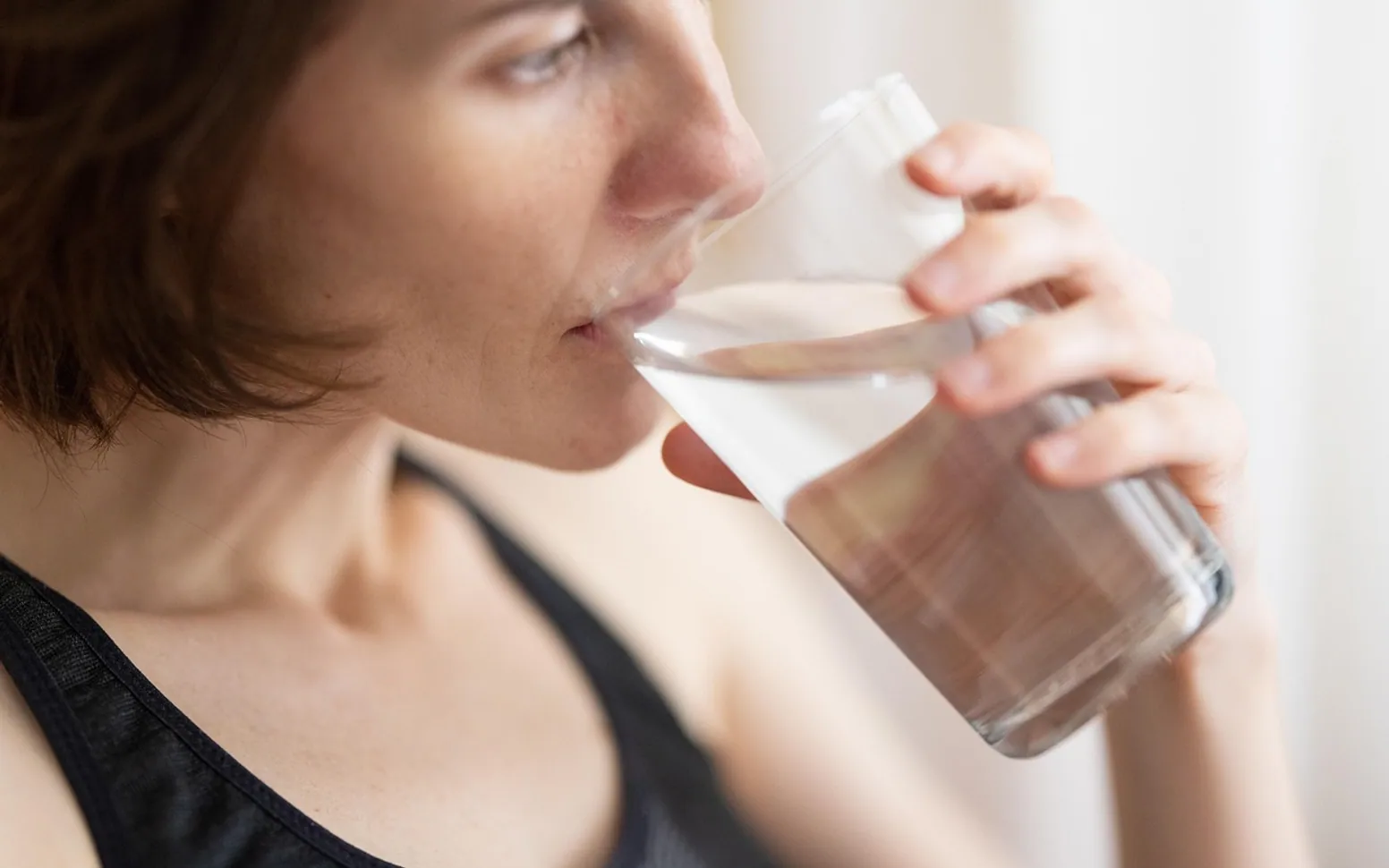
- Alternate with water. A glass of water between drinks and one before bed can ease night-time thirst. For everyday fluid needs, see how much water you should drink a day.
- Eat earlier rather than later. A meal with the drink, rather than a heavy snack at midnight, is gentler on the stomach.
- Keep the usual wake-up time. Sleeping in after a poor night can make the following evening harder.
- Do not use a drink as a sleeping tablet. Relying on alcohol to fall asleep tends to need more over time and leaves the underlying sleep problem untouched.
If falling asleep is the real difficulty, our practical guide on how to fall asleep faster covers wind-down routines that do not depend on a glass.
Common questions
Why do I wake at 3 or 4 a.m. after drinking?
Waking in the early hours is a common pattern after alcohol, as the sedating effect fades and sleep becomes lighter. A dry mouth or a full bladder can add to it.
Is one drink enough to affect sleep?
People vary a great deal. Some notice little after a single small drink; others sleep less well even after one. Paying attention to how you feel the next morning is a useful guide.
Can I combine alcohol with sleeping pills or antihistamines?
This combination can be dangerous, because both are sedating and their effects can add together. Check the leaflet and ask a pharmacist or GP before mixing any medicine with alcohol.
When to talk to someone
Speak to your GP if you find you cannot sleep without a drink, if you are drinking more to get the same effect, or if a partner notices loud snoring with pauses in your breathing. Persistent poor sleep has many possible causes, and a professional can help work out what is going on. This article offers general information and is not a substitute for personal medical advice.
Our reading habits
Principles behind every article we research
A few rules decide which sources we trust and how much weight a claim can carry before it reaches the page.
Guidance written for patients by public health services is our first port of call.
When trusted bodies disagree, the article says so instead of choosing the boldest view.
Any brand or company selling the product under discussion is never treated as neutral.
Doses and personal targets stay out, because they belong in a conversation with a professional.
Every finished draft is checked by a second writer against the sources it relies on.
The end
Guide details
- Title no.
- 30 / 30
- Published
- Time to read
- 4 min
- Contents
- 6 sections