AVR NottinghamNutritionTitle no. 14
Foods High in Magnesium
Seeds, nuts, beans, leafy greens and whole grains: a practical guide to foods high in magnesium and simple ways to work more of them into everyday meals.
4 min
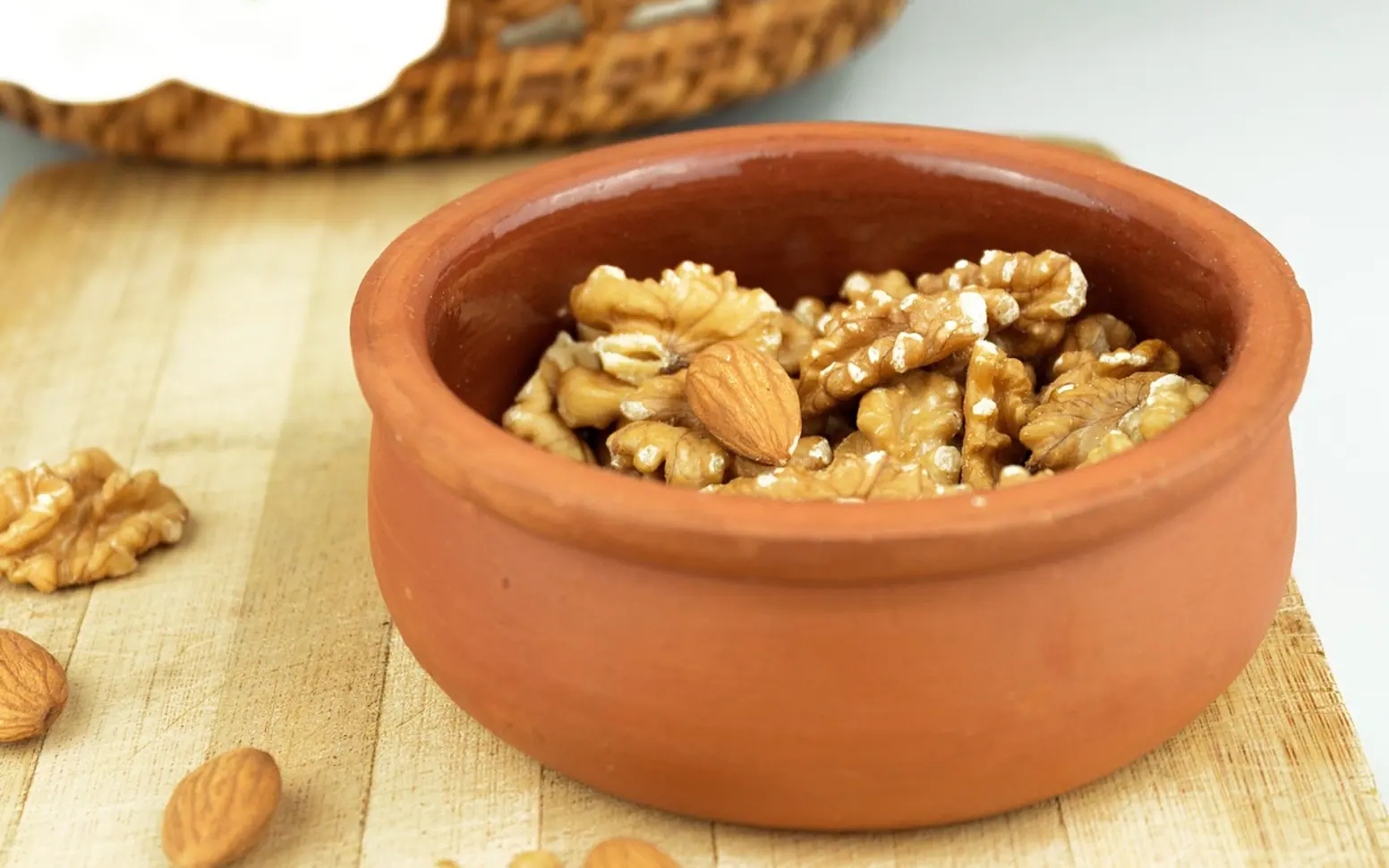
Magnesium rarely gets the attention of vitamin C or iron, yet the body leans on it constantly. It plays a part in how muscles and nerves work, in turning food into energy, in keeping bones strong and in many of the quiet chemical reactions that keep us ticking over. The encouraging part is that it is not an exotic nutrient. It sits in seeds, beans, greens and grains that many kitchens already stock.
This guide sticks to food first. It does not set targets or amounts, because needs differ with age, sex, pregnancy and health, and a pharmacist, dietitian or doctor can tell you what applies to you.
Where magnesium hides on the plate
As a rough pattern, the less processed a plant food is, the more magnesium it tends to keep. Refining grains strips away the outer layers where much of it lives, which is one reason whole grains come up again and again.
Seeds and nuts
Pumpkin seeds are one of the best-known sources, with chia, flax and sunflower seeds not far behind. Almonds, cashews, Brazil nuts and peanuts all contribute too. A small handful on porridge, in a salad or as a snack adds up over a week.
Beans, lentils and soy
Black beans, kidney beans, chickpeas, lentils and edamame bring magnesium along with fibre and protein. Tofu and other soy foods are useful for anyone eating less meat.
Leafy greens
Spinach is the classic example, and Swiss chard and kale also count. Magnesium sits at the centre of chlorophyll, the pigment that makes plants green, so a deep colour is a decent clue.
Whole grains
Oats, brown rice, quinoa, buckwheat, wholewheat bread and wholewheat pasta are steady everyday sources, especially when they replace their white, refined versions.
Other useful extras
Dark chocolate with a high cocoa content, avocados, bananas, potatoes eaten with their skins, oily fish such as salmon and mackerel, and plain yogurt all add a little. Some tap and mineral waters contain magnesium as well, depending on where you live.
A quick reference table
| Food group | Everyday examples | Easy way to use them |
|---|---|---|
| Seeds | Pumpkin, chia, flax, sunflower | Sprinkle over cereal, soup or salad |
| Nuts | Almonds, cashews, peanuts | Nut butter on wholegrain toast |
| Pulses | Black beans, chickpeas, lentils | Stir into stews, curries and chilli |
| Greens | Spinach, chard, kale | Wilt a handful into pasta or eggs |
| Whole grains | Oats, brown rice, quinoa | Swap in for white rice or white bread |
| Extras | Avocado, banana, dark chocolate | Snacks and toppings |
A day that quietly adds up
You do not need special recipes. An ordinary day could look like this:
- Breakfast: oats cooked with milk or a fortified alternative, topped with sliced banana and pumpkin seeds.
- Lunch: a wholewheat wrap with hummus, spinach and grated carrot, plus a small handful of almonds.
- Dinner: a bean and vegetable chilli over brown rice, or salmon with skin-on potatoes and greens.
- Something sweet: a couple of squares of dark chocolate.
Signs you might be running low
Low magnesium is uncommon in healthy people eating a varied diet, but it can happen. People with long-term digestive conditions, heavy alcohol use, type 2 diabetes, older adults and anyone taking certain medicines, such as some diuretics or acid-reducing tablets, may be more likely to fall short. Early signs are vague: tiredness, weakness, poor appetite or nausea. Muscle cramps, twitching or tingling can appear when levels drop further. Because these symptoms overlap with so many other things, guessing is not a good idea; a simple blood test can check.
What about supplements?
Magnesium supplements are sold in several forms and are often marketed for sleep, cramps or stress. Some people do benefit, but they are not harmless for everyone. Taking too much can upset the stomach, and people with kidney problems can struggle to clear the excess. Supplements can also interact with antibiotics, bone medicines and some others. Talk to a pharmacist or your doctor before starting one, and treat food as the foundation either way.
If you are hoping magnesium will help you drift off, our guide on how to fall asleep faster covers the habits that usually make more difference than any single nutrient.
When to see a doctor
Speak to a doctor if you have persistent muscle cramps, numbness, an irregular or racing heartbeat, ongoing fatigue, or if you live with a condition that affects how you absorb food. Seek urgent help for chest pain, fainting or a heartbeat that feels seriously wrong.
For most of us, the answer is refreshingly ordinary: a few more seeds, beans and greens, grains left whole, and plenty to drink alongside them. Our article on how much water to drink a day picks up that last thread.
Our reading habits
Principles behind every article we research
A few rules decide which sources we trust and how much weight a claim can carry before it reaches the page.
Guidance written for patients by public health services is our first port of call.
When trusted bodies disagree, the article says so instead of choosing the boldest view.
Any brand or company selling the product under discussion is never treated as neutral.
Doses and personal targets stay out, because they belong in a conversation with a professional.
Every finished draft is checked by a second writer against the sources it relies on.
The end
Guide details
- Title no.
- 14 / 30
- series
- Nutrition
- Published
- Time to read
- 4 min
- Contents
- 6 sections