AVR NottinghamNutritionTitle no. 21
Zinc Deficiency Symptoms: Signs, Causes and Zinc-Rich Foods
Changes in taste, slow-healing cuts or frequent colds? Common zinc deficiency symptoms, who is more at risk, foods that supply zinc and cautions on supplements.
4 min
The most common zinc deficiency symptoms are a dulled sense of taste or smell, cuts and grazes that heal slowly, catching one infection after another, thinning hair, rough or inflamed skin and a poor appetite. Mild shortfalls are hard to pin down because these signs have many other causes, so a GP is the right person to sort out what is going on. For most people, a varied diet supplies enough zinc without supplements.
What zinc does
Zinc is a trace mineral, which means the body needs only a little of it, but that little is used constantly. It helps immune cells respond to infections, supports the repair of skin and other tissues, keeps taste and smell working and is part of the machinery that builds proteins and copies DNA. The body has no large store of zinc, so it relies on a steady supply from food.
Signs to look out for
- Taste and smell changes. Food seems bland or tastes odd.
- Slow healing. Small wounds, ulcers or sores take longer than usual to close.
- Frequent infections. Colds and other minor bugs seem to come round more often.
- Hair thinning. Hair may shed more than normal.
- Skin problems. Rough patches, rashes or redness, often around the mouth or on the hands.
- Loss of appetite and, in some cases, diarrhoea.
- In children, slower growth and development.
White spots on fingernails are often blamed on low zinc. In most cases they are simply marks from small knocks to the nail as it grows, and they are not a reliable sign of any deficiency.
Who is more at risk
True deficiency is not common in people who eat a mixed diet, but some groups are more likely to fall short:
- Vegetarians and vegans. Plant foods contain zinc, but whole grains and pulses also contain phytates, natural compounds that reduce how much the gut absorbs.
- Pregnant and breastfeeding women, whose needs rise.
- Older adults, who may eat less and absorb less.
- People with digestive conditions such as Crohn's disease or coeliac disease, or after some types of weight-loss surgery.
- People who drink heavily, because alcohol reduces absorption and increases losses.
- People on certain long-term medicines, including some diuretics.
Foods that provide zinc
A good mix of the foods below across the week usually covers needs. Animal foods tend to supply zinc in a form the body absorbs more easily, while plant foods contribute plenty when eaten regularly.
| Food group | Examples | Notes |
|---|---|---|
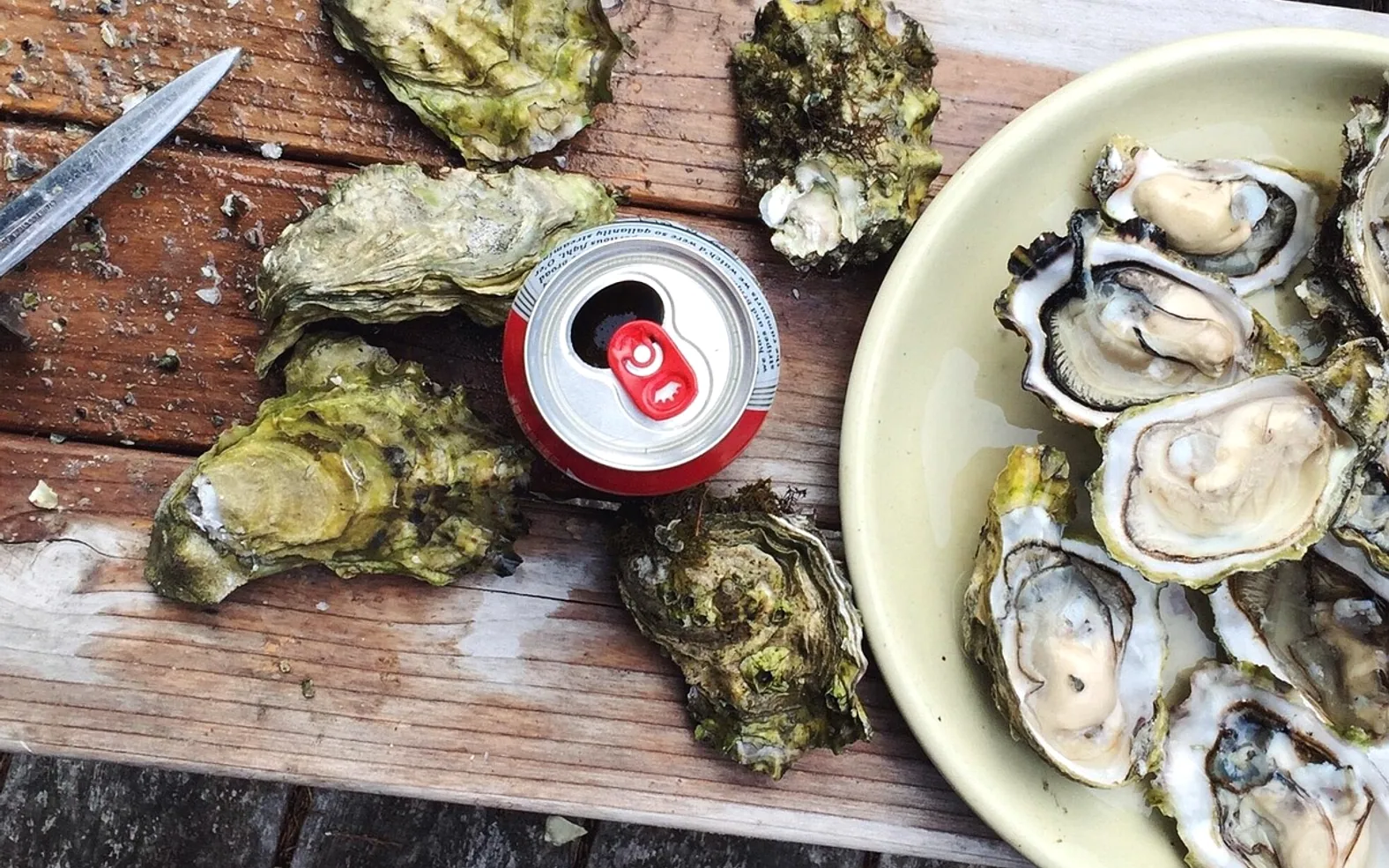
| Shellfish | Oysters, crab, mussels | Oysters are an especially rich source |
| Meat and poultry | Beef, lamb, pork, chicken thighs | Darker meat tends to hold more |
| Pulses | Chickpeas, lentils, kidney beans, baked beans | Soaking and sprouting help absorption |
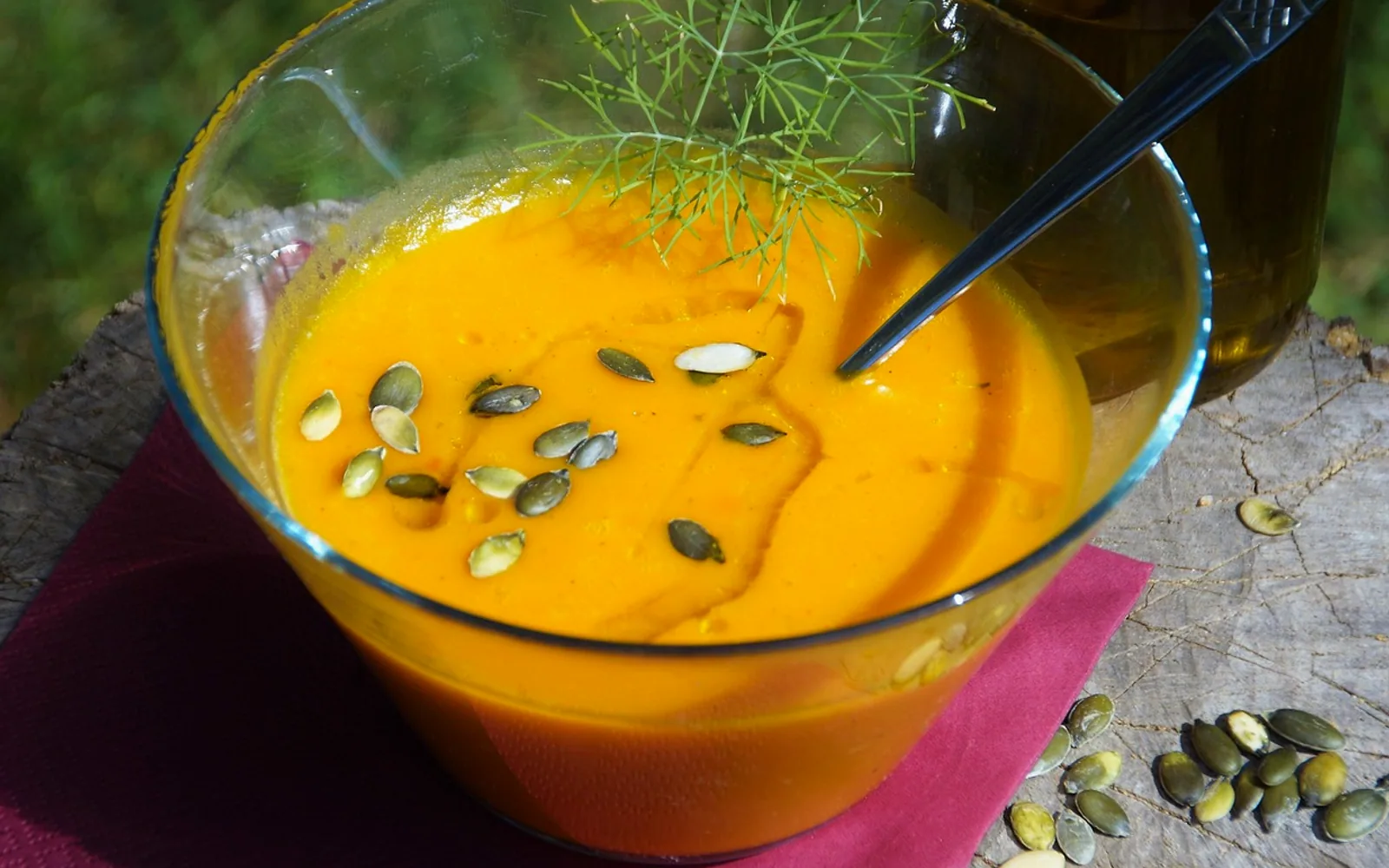
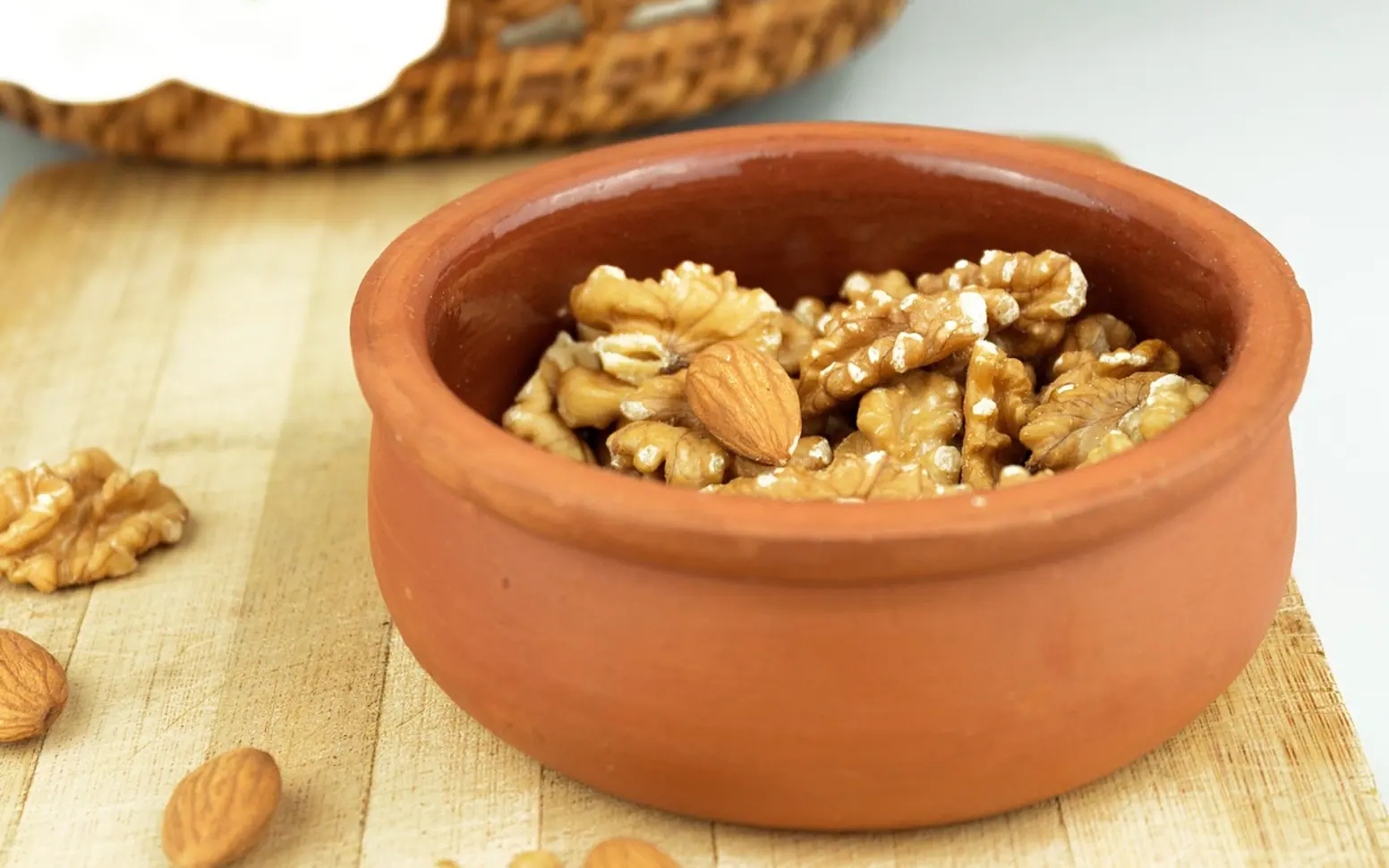
| Nuts and seeds | Pumpkin seeds, cashews, sesame, hemp seeds | Easy to scatter on porridge or salads |
| Dairy and eggs | Cheese, milk, yoghurt, eggs | Useful everyday contributors |
| Grains | Oats, wholemeal bread, fortified breakfast cereals | Sourdough fermentation lowers phytates |
Many of these also appear in our guide to foods high in magnesium, since seeds, beans and whole grains carry several minerals at once.
Getting more from plant sources
If you eat little or no meat, a few kitchen habits help. Soak dried beans and lentils before cooking and discard the soaking water. Choose sourdough or leavened bread over flatbreads more often. Sprouted grains and seeds, and fermented foods such as tempeh, also tend to release more zinc. Pairing these foods with a source of protein at the same meal can help absorption too.
A note on supplements
Zinc supplements and lozenges are widely sold, but more is not better. Taking too much can cause nausea, stomach cramps and a metallic taste, and over a long period it can block the absorption of copper and lead to a copper shortfall. Zinc can also interact with some antibiotics and other medicines. Speak with a pharmacist or GP before starting a regular supplement, and follow label directions. Our article on ashwagandha's possible benefits touches on the same principle for other supplements: check first, especially if you take prescribed medicines.
How deficiency is checked
A GP will usually start with your symptoms, diet and medical history. A blood test can measure zinc, though levels in the blood do not always reflect what is happening in the tissues, so results are read alongside the wider picture. Other tests may be arranged to rule out problems that cause similar signs, such as anaemia or thyroid conditions.
Common questions
Can low zinc affect taste?
Yes. Changes in taste and smell are among the best-known signs. They can also follow colds, some medicines and many other causes, so persistent changes are worth mentioning to a doctor.
Can zinc deficiency cause hair loss?
It can contribute, but hair shedding has many causes, including stress, iron deficiency and thyroid problems. A doctor can help work out which applies.
Does zinc help with salt and fluid balance?
Zinc is not one of the main electrolytes. If cramps, headaches or weakness are your concern, read our page on the signs of an electrolyte imbalance as well.
Our reading habits
Principles behind every article we research
A few rules decide which sources we trust and how much weight a claim can carry before it reaches the page.
Guidance written for patients by public health services is our first port of call.
When trusted bodies disagree, the article says so instead of choosing the boldest view.
Any brand or company selling the product under discussion is never treated as neutral.
Doses and personal targets stay out, because they belong in a conversation with a professional.
Every finished draft is checked by a second writer against the sources it relies on.
The end
Guide details
- Title no.
- 21 / 30
- series
- Nutrition
- Published
- Time to read
- 4 min
- Contents
- 7 sections