AVR NottinghamNutritionTitle no. 15
How Much Water Should You Drink a Day?
There is no single magic number for daily water. Learn what changes your needs, how to read your body's own signals and when drinking more or less matters.
4 min
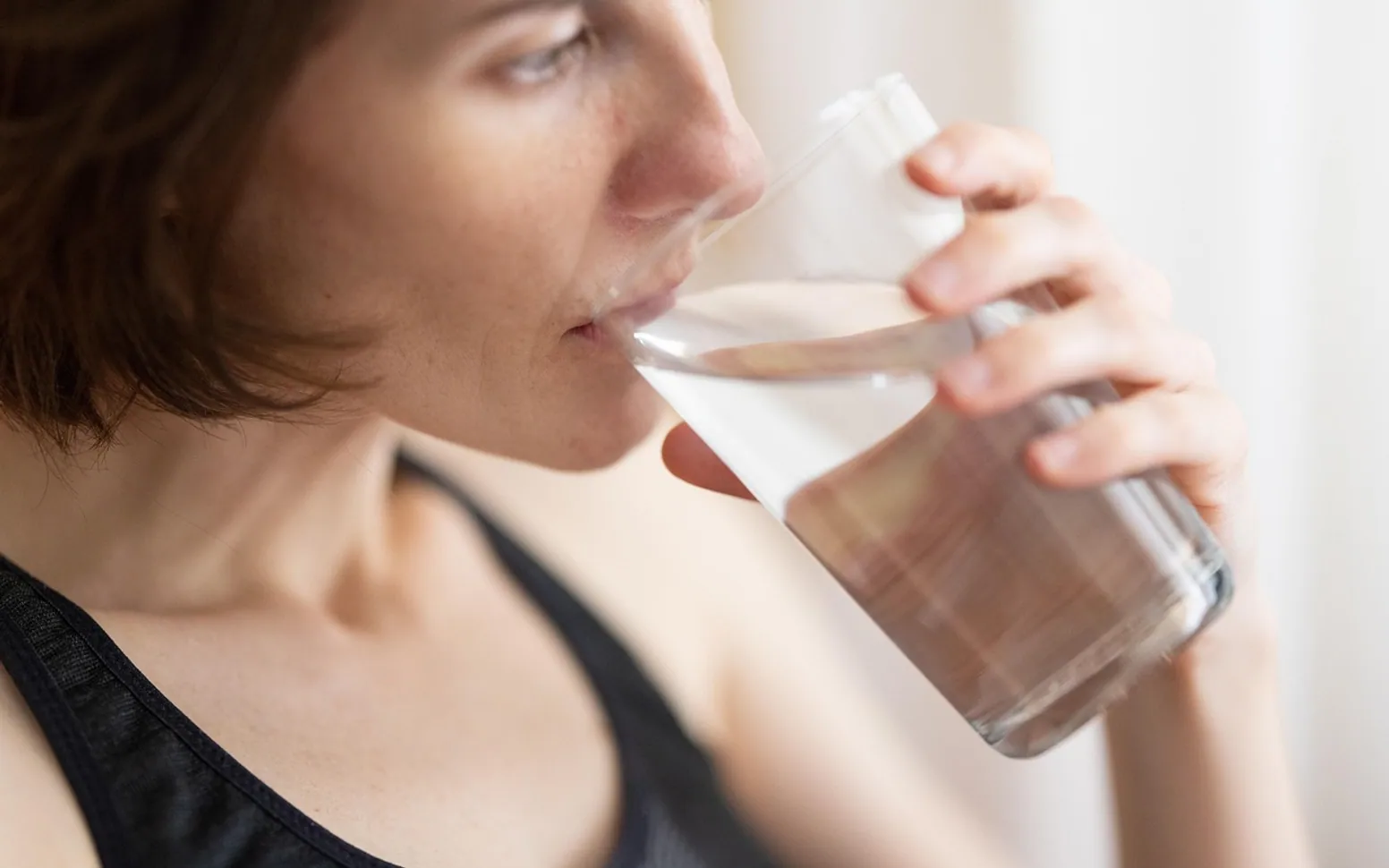
Ask around and you will hear the same answer: eight glasses a day. It is easy to remember and it gets people thinking about drinking regularly, which is no bad thing. But it was never a precise rule, and it does not fit everyone. A tall person working outdoors in summer and a small, older adult spending the day indoors in winter are simply not running on the same tank.
Rather than chase a number, it helps to understand what pushes your needs up or down and how to read the signals your body already gives you.
Why water matters in the first place
Water carries nutrients around the body, helps regulate temperature through sweat, keeps joints cushioned, supports digestion and helps the kidneys flush out waste. Even mild dehydration can leave people feeling tired, foggy or headachy, and some find it makes them irritable or less able to concentrate.
Food and other drinks count too
Everything you drink contributes, not only plain water. Milk, tea, coffee, diluted squash and soup all add to your total. Tea and coffee have a mild effect on how much you pass, but for regular drinkers they still count towards fluid overall. Food matters as well: fruit and vegetables such as cucumber, watermelon, oranges, lettuce and tomatoes are mostly water. That is why people who eat plenty of fresh produce often need to drink a little less than those who do not.
Plain water remains the simplest choice, with no sugar and no cost. Sugary drinks and juices add calories and can harm teeth, so they are better kept occasional.
What changes how much you need
| Situation | Effect on your needs |
|---|---|
| Hot or humid weather | More sweating, so more to replace |
| Exercise or physical work | Extra fluid before, during and after |
| Fever, vomiting or diarrhoea | Losses rise quickly; sip often |
| Pregnancy and breastfeeding | Needs usually go up |
| Older age | Thirst can fade, so drinking by habit helps |
| Heated or air-conditioned rooms | Dry air can add to everyday losses |
Simple signs you are getting enough
For most healthy adults, the body is a good guide. Three checks are useful:
- Thirst. Drink when you are thirsty and don't ignore it for hours on a busy day.
- Urine colour. Pale straw yellow generally suggests you are well hydrated. Dark yellow or amber often means you need more. Some vitamins and foods can change the colour, so treat it as a rough guide.
- How you feel. Headaches, dizziness, a dry mouth and unusual tiredness can all be early hints that you have fallen behind.
If headaches are a regular visitor, our guide on how to get rid of a headache looks at fluid alongside the other usual suspects.
Habits that make drinking easier
- Keep a glass or refillable bottle within sight at your desk, in the car or by the sofa.
- Have a drink with each meal and with any snack.
- Start the morning with a glass before tea or coffee.
- Add flavour with slices of lemon, cucumber, mint or berries if plain water bores you.
- Tie it to routines you already have, such as after brushing your teeth or when you sit down for a break.
Pairing water with food that works hard nutritionally is an easy win. Our list of foods high in magnesium includes plenty of water-rich produce and wholesome snacks to keep nearby.
Can you drink too much?
It is possible, though uncommon. Drinking very large amounts in a short time, often during long endurance events, can dilute the salt in the blood to a dangerous level. Symptoms can include nausea, headache, confusion and, in severe cases, seizures. For everyday life, spreading drinks across the day and letting thirst lead keeps you well away from this.
Some people are told by their doctor to limit fluids, for example those with certain heart, kidney or liver conditions. If that applies to you, follow that advice rather than any general guide, including this one.
When to see a doctor
Get medical advice if you feel thirsty all the time even when drinking plenty, if you are passing much more or much less urine than usual, or if your urine stays dark despite drinking more. Seek urgent help for signs of serious dehydration: confusion, a racing heart, fainting, very little or no urine, or if a baby, young child or frail older person cannot keep fluids down.
The short answer, then, is that there is no perfect figure. Drink regularly, drink more when it's hot, when you are active or unwell, and let thirst and the colour in the toilet bowl do much of the measuring for you.
Our reading habits
Principles behind every article we research
A few rules decide which sources we trust and how much weight a claim can carry before it reaches the page.
Guidance written for patients by public health services is our first port of call.
When trusted bodies disagree, the article says so instead of choosing the boldest view.
Any brand or company selling the product under discussion is never treated as neutral.
Doses and personal targets stay out, because they belong in a conversation with a professional.
Every finished draft is checked by a second writer against the sources it relies on.
The end
Guide details
- Title no.
- 15 / 30
- series
- Nutrition
- Published
- Time to read
- 4 min
- Contents
- 7 sections