AVR NottinghamOral HealthTitle no. 16
How to Stop Grinding Your Teeth
Waking with a sore jaw or worn teeth? What teeth grinding is, why it happens and the day and night habits that ease it, plus when a dentist should look.
4 min
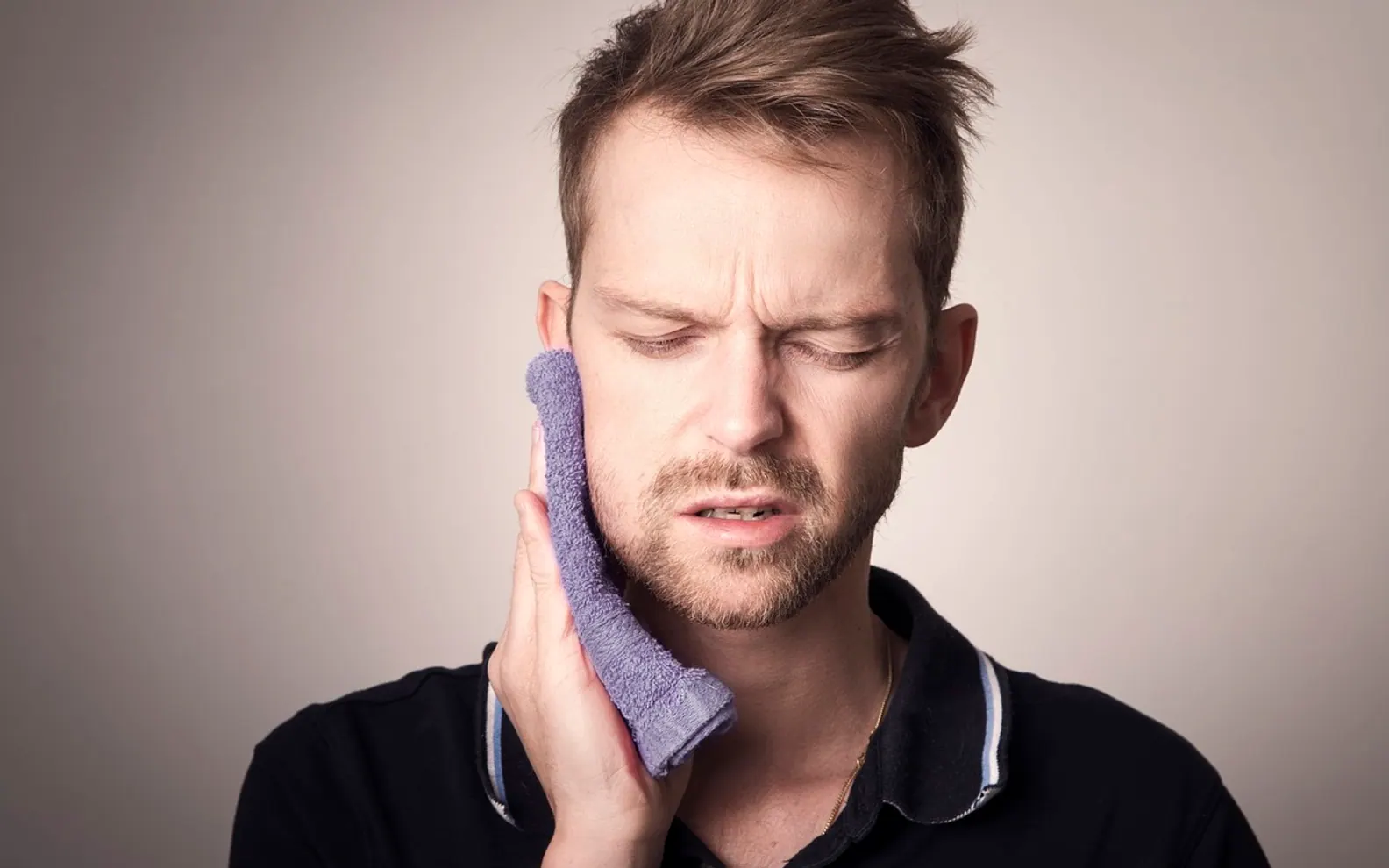
Plenty of people only find out they grind their teeth when someone else tells them. A partner mentions a scraping sound in the night, or a dentist points to flattened edges on the back teeth. Others notice it themselves as a tight jaw, a dull ache by the ears or a headache that is there from the moment they wake.
The habit has a name, bruxism, and it comes in two broad kinds: grinding or clenching while asleep, and clenching while awake, often when concentrating or under pressure. Both can be eased, and the steps below are a sensible place to begin.
Signs it might be happening to you
- A sore, stiff or tired jaw, especially first thing in the morning
- Dull headaches around the temples
- Teeth that look flatter, chipped or more sensitive than before
- Clicking or discomfort near the joint in front of the ear
- Marks or ridges along the sides of the tongue or the inside of the cheeks
- Broken sleep, or a bed partner hearing grinding sounds
Why people grind
There is rarely one clear cause. Stress and anxiety are the most common links people report, and the habit often flares during busy or worrying periods. Other factors that can play a part include caffeine, alcohol and smoking, poor or disrupted sleep, snoring and other breathing problems during sleep, some medicines, and certain conditions that affect movement. In children, grinding is fairly common and often fades as they grow, though it is still worth mentioning at a check-up.
Daytime habits that help
Awake clenching responds well to simple awareness. The aim is to catch yourself and reset.
- Learn the resting position. Lips gently closed, teeth slightly apart, tongue resting lightly behind the upper front teeth. Teeth only need to touch when you chew or swallow.
- Set reminders. A small sticker on your screen, or a note on your phone, prompts a quick check: are my teeth touching?
- Drop the chewing habits. Pens, fingernails, ice and all-day chewing gum keep jaw muscles working when they could be resting.
- Relax the jaw on purpose. Let the mouth fall slightly open, breathe slowly and feel the muscles near your ears soften. A warm flannel held against the side of the face for a few minutes can ease tightness.
Evening and night-time steps
Night grinding is harder to control directly, because you are asleep. The focus moves to calmer evenings and better sleep.
- Cut back on caffeine in the afternoon and on alcohol in the evening.
- Build a short wind-down routine with dim lights and no work emails.
- Try a few minutes of slow breathing or gentle stretching for the neck and shoulders before bed.
- Keep regular sleep and wake times. Our guide on how to fall asleep faster has more on setting up an easier night.
Night guards: what to know
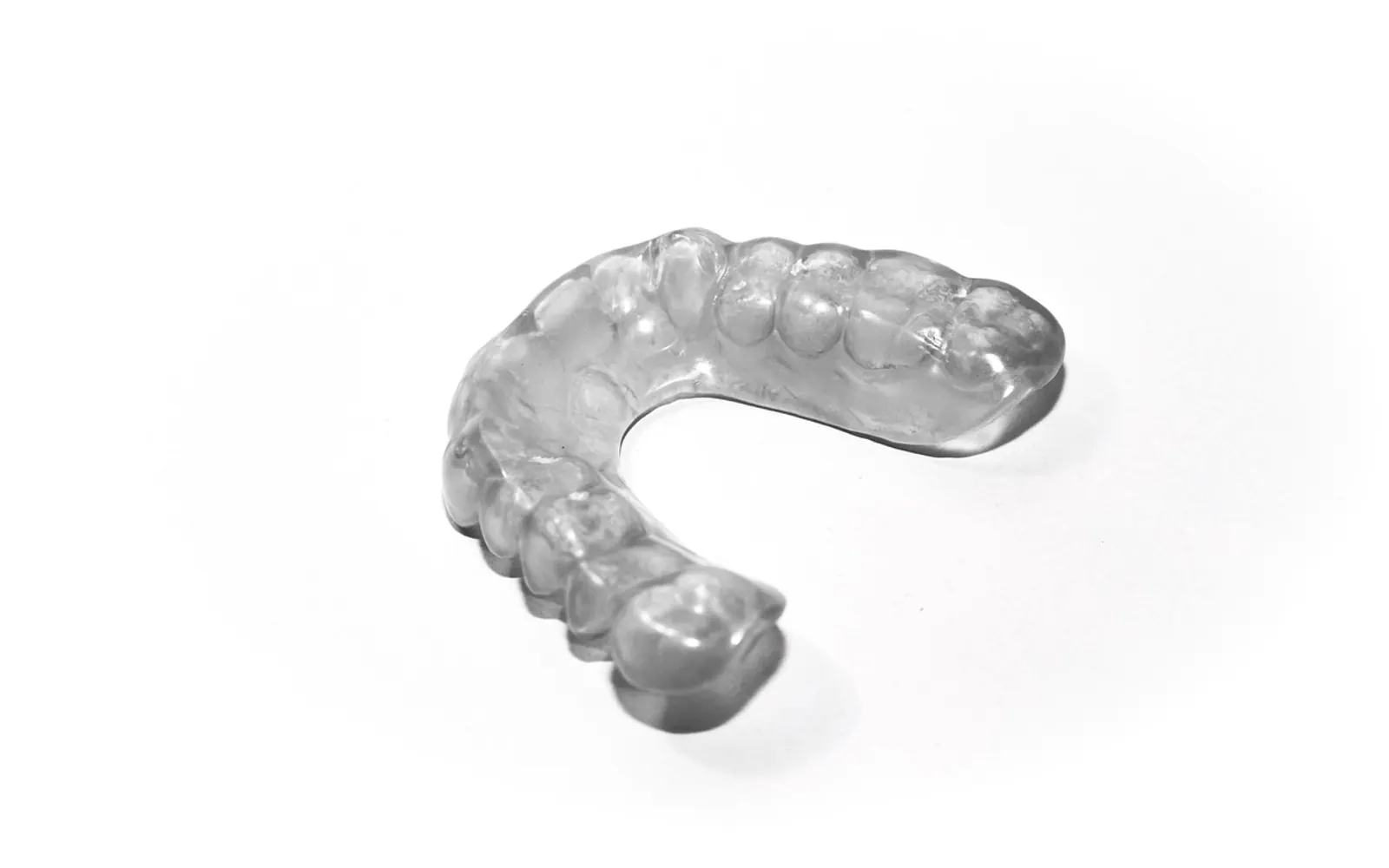
A mouth guard, sometimes called a splint, does not stop grinding, but it puts a protective layer between the teeth so the wear lands on the guard instead of the enamel. There are two main routes.
| Type | How it is made | Things to consider |
|---|---|---|
| Custom-fitted | Made from impressions or scans taken by a dental team | Usually more comfortable and durable; costs more |
| Shop-bought | Softened at home and shaped to your teeth | Cheaper, but often bulkier and may not fit well; ask a dentist first |
A poorly fitting guard can be uncomfortable and, in some cases, may affect the bite. That is one reason to involve a dentist rather than buying one blind.
Looking after teeth that already show wear
If grinding has already caused chips, cracks or lost tooth structure, a dentist can talk through repairs, from small fillings and bonding to crowns. Where teeth have been lost or badly damaged, the options become bigger decisions; our article on implants, bridges and dentures explains the main choices.
When to see a dentist or doctor
Book a dental check if you notice worn, chipped or sensitive teeth, if your jaw aches most mornings, or if your jaw clicks, locks or is hard to open fully. See your doctor if a partner hears loud snoring or pauses in your breathing at night, if grinding started after beginning a new medicine, or if stress and anxiety feel hard to manage. Sudden jaw pain together with chest pain, breathlessness or pain spreading into the arm needs emergency help straight away.
Grinding is common, and it is rarely a sign of anything serious on its own. With a bit of daytime awareness, a gentler evening and a dentist keeping an eye on things, most people can protect their teeth and wake up with a more relaxed jaw.
Our reading habits
Principles behind every article we research
A few rules decide which sources we trust and how much weight a claim can carry before it reaches the page.
Guidance written for patients by public health services is our first port of call.
When trusted bodies disagree, the article says so instead of choosing the boldest view.
Any brand or company selling the product under discussion is never treated as neutral.
Doses and personal targets stay out, because they belong in a conversation with a professional.
Every finished draft is checked by a second writer against the sources it relies on.
The end
Guide details
- Title no.
- 16 / 30
- series
- Oral Health
- Published
- Time to read
- 4 min
- Contents
- 7 sections