AVR NottinghamOral HealthTitle no. 23
Mouth Taping for Sleep: What It Is and Who Should Skip It
Is mouth taping safe? What mouth tape for sleep is meant to do, what is still unknown, who should avoid it and gentler ways to tackle mouth breathing at night.
4 min
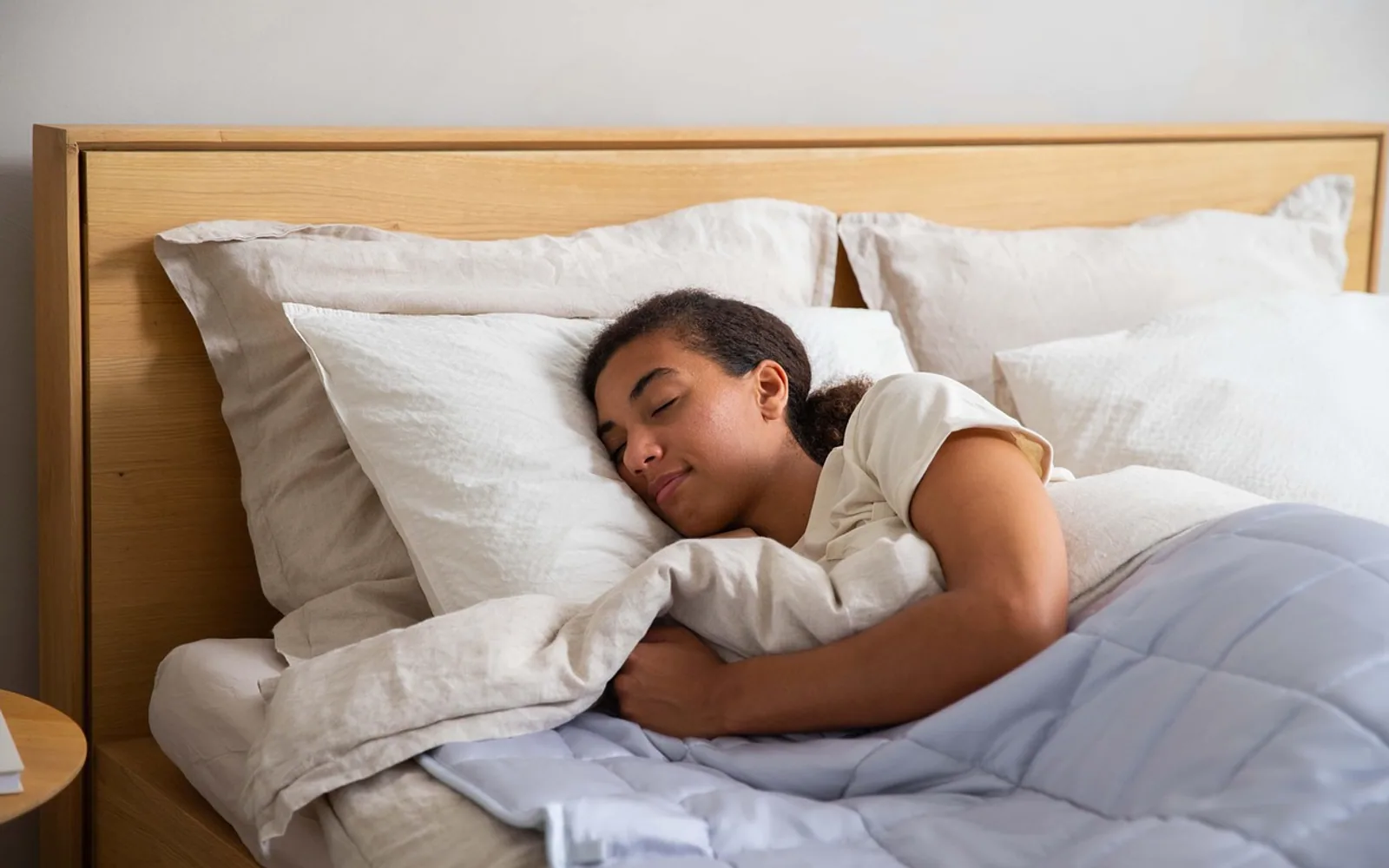
Mouth taping means placing a small strip of skin-safe tape over the lips at bedtime so you breathe through your nose while asleep. Fans say it eases dry mouth, morning breath and light snoring. Good evidence is thin, and for people with a blocked nose or undiagnosed sleep apnea it can be risky. Anyone who snores loudly or wakes up gasping should see a doctor before trying it.
Why people try it
Breathing through the mouth at night dries out the tongue, gums and throat. People who do it often wake with a parched mouth, a sore throat or stale breath, and some snore more. The appeal of tape is that it seems to nudge the body back toward the nose, which is built for the job.
The nose warms and humidifies incoming air and filters out some dust and particles. Nasal breathing also keeps the mouth moist, which matters for teeth: saliva protects enamel and keeps odour-causing bacteria in check, as our article on what causes bad breath explains.
What we know and what we do not
Research on mouth taping is limited and mostly involves small groups of people over short periods. Some people with mild snoring report sleeping more quietly, and many say their mouth feels less dry. What remains unclear is who benefits, whether any effect lasts and whether it improves sleep quality in a meaningful way. Popularity online has grown much faster than the evidence.
The biggest concern is that tape can quieten snoring without fixing its cause. Snoring is one of the main signs of obstructive sleep apnea, a condition in which the airway repeatedly narrows or closes during sleep. Masking the sound could delay a diagnosis that matters for long-term health.
Who should not try mouth taping
- Anyone with loud snoring, pauses in breathing noticed by a partner, gasping or choking at night, or heavy daytime sleepiness, until sleep apnea has been ruled out
- People with a blocked nose from a cold, allergies, sinus problems or a deviated septum
- Children
- Anyone who feels nauseous, has reflux that brings food up at night or might vomit
- People who have drunk alcohol or taken sedating medicines
- Those with lung or heart conditions, or who find the idea causes anxiety
- People with sensitive skin, eczema around the mouth or a beard that would stop tape sticking safely
If you are unsure whether your snoring needs a closer look, our guide to the home sleep apnea test describes how doctors usually check.
Tackle the reason for mouth breathing first
Mouth breathing usually has a cause, and treating that is more useful than covering the mouth. Common culprits include:
- A congested nose. Allergies, colds and sinus trouble are frequent causes. Saline rinses and, where appropriate, treatments a pharmacist suggests may help.
- Nasal structure. A bent septum or enlarged turbinates can narrow the airway. A GP may refer you to an ear, nose and throat specialist.
- Enlarged tonsils or adenoids, especially in children.
- Sleeping position. Lying flat on the back lets the jaw drop open.
- Habit. Some people simply fall into the pattern, often after a long period of congestion.
Gentler alternatives
| Option | What it may help with | Things to consider |
|---|---|---|
| Saline nasal rinse before bed | Congestion, dry nasal passages | Use sterile or boiled and cooled water |
| Sleeping on your side | Snoring, jaw dropping open | A firm pillow behind the back can help you stay there |
| A humidifier | Dry mouth and throat | Clean it often to prevent mould |
| Oral appliance from a dentist | Snoring and some mild to moderate sleep apnea | Needs assessment; see our piece on mouth guards for snoring and sleep apnea |
| Allergy management | Seasonal or dust-related congestion | Wash bedding hot, keep pets out of the bedroom |
If you have been cleared to try it
When a doctor or dentist sees no reason against it, a cautious approach makes sense. Use tape made for skin, try a small vertical strip in the middle of the lips rather than covering the whole mouth, and test it for a short while during the day first to check you can breathe comfortably through your nose. Remove it immediately if you feel short of breath, anxious or unwell. Never use household tape.
Questions people ask
Does mouth tape stop snoring?
It may reduce light snoring in some people who breathe through the mouth, but it does not treat the cause and can hide sleep apnea.
Is mouth taping safe?
For some healthy adults with a clear nose it appears low-risk, but it is not suitable for everyone. Get advice first if you snore loudly, have breathing problems or a blocked nose.
Can it help with dry mouth or teeth grinding?
Dry mouth often improves when nasal breathing returns. Grinding is a different problem with its own causes; our guide on how to stop grinding your teeth covers what helps.
Our reading habits
Principles behind every article we research
A few rules decide which sources we trust and how much weight a claim can carry before it reaches the page.
Guidance written for patients by public health services is our first port of call.
When trusted bodies disagree, the article says so instead of choosing the boldest view.
Any brand or company selling the product under discussion is never treated as neutral.
Doses and personal targets stay out, because they belong in a conversation with a professional.
Every finished draft is checked by a second writer against the sources it relies on.
The end
Guide details
- Title no.
- 23 / 30
- series
- Oral HealthSleep
- Published
- Time to read
- 4 min
- Contents
- 7 sections