AVR NottinghamOral HealthTitle no. 17
What Causes Bad Breath?
Bad breath usually starts in the mouth, from bacteria, dry mouth or gum problems. Learn the common causes, simple fixes and when a dentist should check it.
3 min
Bad breath is one of those topics people would rather not raise, which is a shame, because it is very common and usually very fixable. Most of the time the cause sits inside the mouth rather than deeper in the body, and a few changes to an everyday routine make a clear difference.
It is worth knowing the medical term, halitosis, if you want to read further or mention it to a dentist. And if you are unsure whether your breath is a problem at all, asking someone you trust for an honest answer is far more reliable than breathing into your own hand.
The usual source: bacteria in the mouth
The mouth is home to a huge community of bacteria. When they break down leftover food, dead cells and proteins, they release sulphur-containing gases with that familiar unpleasant smell. The places they love most are the ones we clean least:
- The back of the tongue, whose rough surface traps a whitish coating
- Between the teeth, where a toothbrush cannot reach
- Along and under the gum line, especially if gums are inflamed
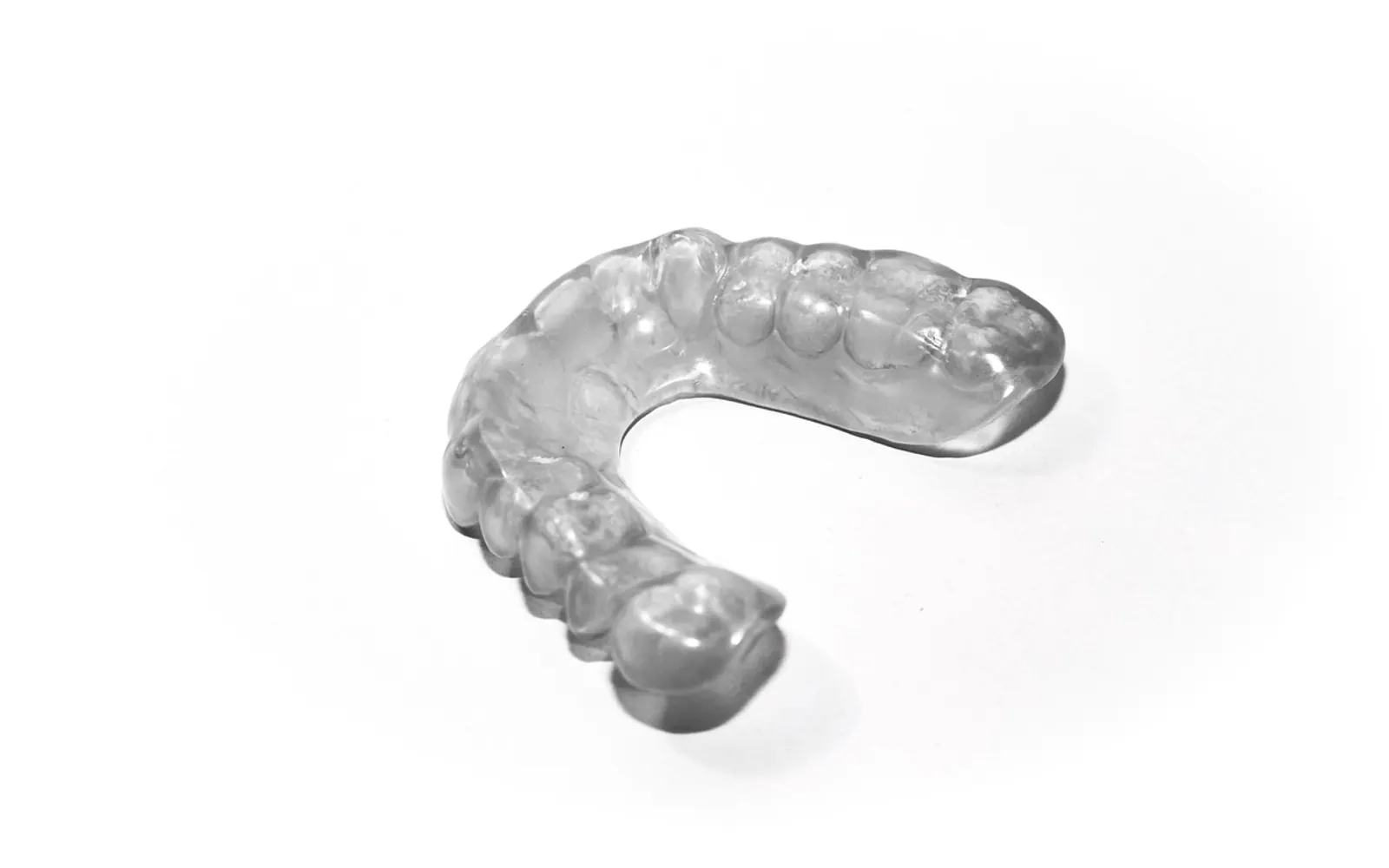
- Dentures, retainers and other appliances that are not cleaned daily
Common causes at a glance
| Cause | Why it leads to odour |
|---|---|
| Gaps in daily cleaning | Food and plaque left behind feed odour-producing bacteria |
| Dry mouth | Less saliva means less natural rinsing of the mouth |
| Gum disease | Inflamed pockets around teeth collect bacteria |
| Strong foods | Garlic, onion and spices are carried on the breath for hours |
| Smoking | Leaves its own smell and also dries the mouth |
| Tonsil stones | Small deposits in the tonsils can smell strongly |
Dry mouth deserves its own mention
Saliva is the mouth's built-in washing system. When it slows down, odour builds up. That is why breath is often at its worst first thing in the morning, after hours of low saliva flow. A dry mouth during the day can come from not drinking enough, breathing through the mouth, talking for long stretches, alcohol, smoking, and a long list of medicines. Sipping water regularly helps, and our guide on how much water to drink a day covers how to tell if you are getting enough.
Causes beyond the mouth
Less often, the smell starts elsewhere. Sinus infections and a constant drip of mucus at the back of the throat can cause it, as can tonsil problems. Acid reflux sometimes leaves a sour taste and smell. Very low-carbohydrate eating or long gaps without food can give the breath a fruity or sharp edge. Occasionally, a distinctive breath smell is linked with conditions such as poorly controlled diabetes, or kidney or liver problems, which is why persistent bad breath with no clear cause in the mouth should be checked.
What to do at home
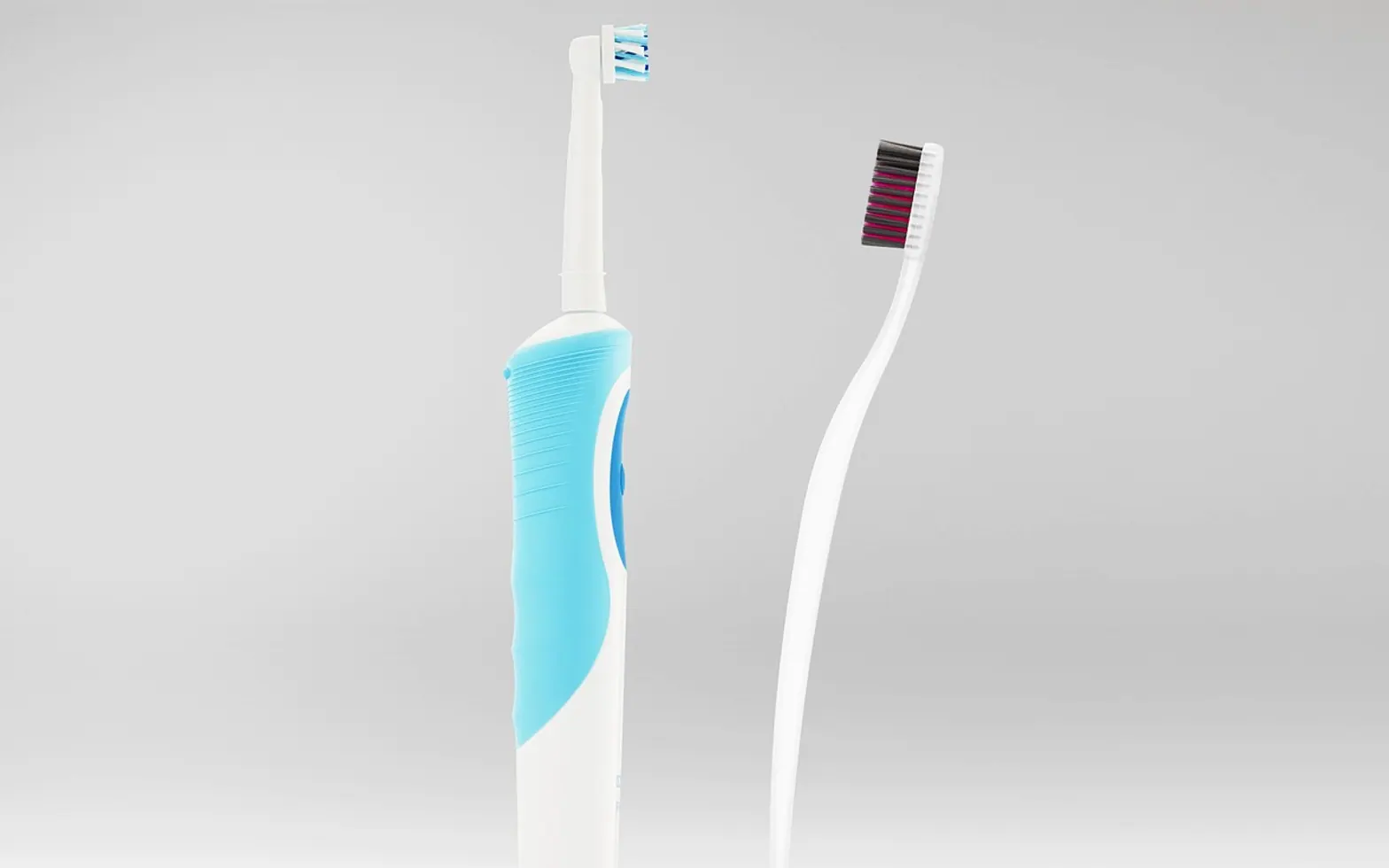
- Brush twice a day for about two minutes with a fluoride toothpaste, paying attention to the gum line.
- Clean between your teeth every day with floss or small interdental brushes.
- Clean your tongue gently from back to front with a tongue scraper or your toothbrush.
- Look after appliances. Take dentures out at night if advised and clean them as your dental team recommends.
- Keep your mouth moist. Drink water through the day; sugar-free gum can encourage saliva for a short while.
- Go easy on alcohol and tobacco. Stopping smoking helps the breath, the gums and much more.
Mouthwash can freshen things for a while, but it tends to mask the smell rather than remove the cause. Use it as an extra, not a replacement for brushing and cleaning between teeth.
If you clench or grind at night, you may wake with a dry, uncomfortable mouth as well as a sore jaw; our article on how to stop grinding your teeth looks at that habit.
When to see a dentist or doctor
Book a dental appointment if bad breath lasts despite a thorough routine for a couple of weeks, or if you notice bleeding or swollen gums, loose teeth, a bad taste that won't shift, or pain in the mouth. A dentist or hygienist can check for gum disease and decay and show you where your cleaning is missing. See a doctor if the dental team finds nothing, or if bad breath comes with a sore throat that doesn't settle, sinus pain, heartburn, unexplained weight loss, extreme thirst or a constantly dry mouth.
For most people, though, the fix is close to home: a cleaner tongue, a daily habit of cleaning between the teeth, and a glass of water within reach.
Our reading habits
Principles behind every article we research
A few rules decide which sources we trust and how much weight a claim can carry before it reaches the page.
Guidance written for patients by public health services is our first port of call.
When trusted bodies disagree, the article says so instead of choosing the boldest view.
Any brand or company selling the product under discussion is never treated as neutral.
Doses and personal targets stay out, because they belong in a conversation with a professional.
Every finished draft is checked by a second writer against the sources it relies on.
The end
Guide details
- Title no.
- 17 / 30
- series
- Oral Health
- Published
- Time to read
- 3 min
- Contents
- 6 sections