AVR NottinghamOral HealthTitle no. 22
Remineralizing Toothpaste: How It Helps Enamel and What It Can't Fix
What remineralizing toothpaste does: fluoride, hydroxyapatite and calcium phosphate explained, how to remineralize teeth daily and what still needs a dentist.
4 min
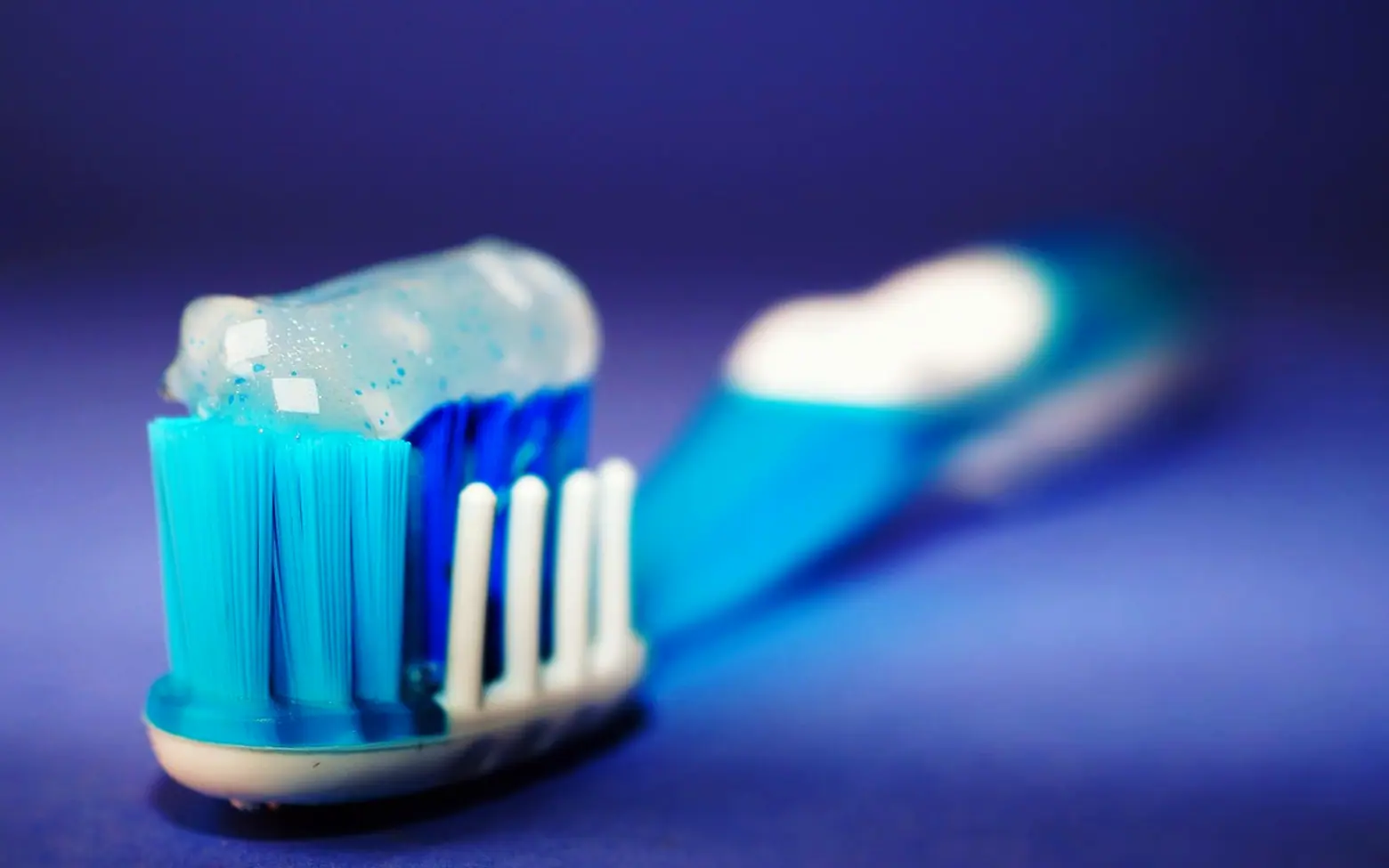
A remineralizing toothpaste helps put minerals back into the outer layer of enamel after acids have drawn them out. It can strengthen weak spots and calm sensitivity in the early stages, before a cavity forms. It cannot regrow enamel that has worn away or fill a hole that already exists. Fluoride remains the best-established ingredient for the job, with fluoride-free options such as hydroxyapatite also on the shelf.
Enamel is always losing and regaining minerals
Enamel is mostly made of a mineral called hydroxyapatite, packed into tight crystals. Every time you eat or drink something sugary or acidic, bacteria in plaque and the acids themselves soften the surface and pull out tiny amounts of calcium and phosphate. This is demineralisation.
Between meals, saliva neutralises the acid and carries minerals back to the surface, a process called remineralization. Teeth stay healthy as long as repair keeps pace with loss. Problems begin when acid attacks come so often that saliva cannot keep up. The first visible sign is often a chalky white spot, an area that has lost minerals but is still intact. At that stage the damage can sometimes be reversed.
What goes into a remineralizing toothpaste
| Ingredient | How it works | Good to know |
|---|---|---|
| Fluoride (sodium fluoride, stannous fluoride, monofluorophosphate) | Helps calcium and phosphate settle back into enamel and forms a surface that resists acid better | The ingredient with the longest track record; stannous fluoride may also help with sensitivity and gums |
| Hydroxyapatite (often nano-hydroxyapatite) | Supplies the same type of mineral that enamel is made from | Popular as a fluoride-free choice; research is growing but shorter than for fluoride |
| Calcium phosphate compounds | Release calcium and phosphate close to the tooth surface | Often found in creams a dentist recommends for white spots or dry mouth |
| Arginine with calcium carbonate | Helps plug tiny channels in exposed dentine | Mainly used for sensitive teeth |
| High-fluoride prescription paste | Stronger dose for people at higher risk of decay | Only available through a dentist or doctor |
Where it helps and where it stops
It can:
- Strengthen enamel that has started to soften
- Help early white spots harden and sometimes fade
- Reduce sensitivity linked to thin or exposed areas
- Make teeth more resistant to future acid attacks
It cannot:
- Rebuild enamel that has chipped, cracked or worn away
- Repair a cavity that has broken through the surface
- Replace a filling, crown or other dental treatment
- Undo damage if sugary or acidic snacking continues all day
How to remineralize teeth day to day
Toothpaste works best as part of a routine that gives saliva a chance to do its job.
- Brush twice a day for about two minutes, including last thing at night.
- Spit, do not rinse. Leaving a thin film of toothpaste on the teeth lets the active ingredients keep working.
- Cut down how often you snack on sugar or acid. Frequency matters more than amount; keep sweet things to mealtimes.
- Wait after acidic drinks. Brushing straight after fruit juice, fizzy drinks or wine can scrub softened enamel. A glass of water and a short wait help.
- Keep saliva flowing. Sip water through the day and consider sugar-free gum after meals. Our guide on how much water to drink has more on staying hydrated.
- Clean between teeth with floss or interdental brushes, where plaque likes to settle.
Who may benefit most
People with sensitive teeth, early white spots, braces, a dry mouth or a habit of frequent snacking may all gain from a remineralizing paste. Enamel worn by night-time clenching is another reason to protect what remains; our article on how to stop grinding your teeth covers that side of things. A dry mouth also feeds bacteria that cause odour, which is explained in what causes bad breath.
When to see a dentist
Book a check-up if you notice a dark spot, a hole or rough edge, pain when biting, sensitivity that lasts more than a few seconds or white spots that are spreading. Early decay often has no symptoms at all, which is why regular check-ups matter even when nothing hurts. A dentist can also tell you whether a higher-strength product or a professional fluoride varnish would suit you.
Common questions
Can you remineralize teeth naturally?
Saliva does this every day. Eating fewer sugary snacks, drinking water and chewing sugar-free gum all support it. Toothpaste adds extra help at the surface.
Is fluoride-free remineralizing toothpaste effective?
Hydroxyapatite pastes show promise and suit people who prefer to avoid fluoride. Fluoride has the longer track record, so ask your dentist which fits your level of risk.
Can remineralizing toothpaste reverse cavities?
It may help reverse the earliest stage, when enamel has softened but not broken. Once a cavity has formed, it needs a dentist.
Our reading habits
Principles behind every article we research
A few rules decide which sources we trust and how much weight a claim can carry before it reaches the page.
Guidance written for patients by public health services is our first port of call.
When trusted bodies disagree, the article says so instead of choosing the boldest view.
Any brand or company selling the product under discussion is never treated as neutral.
Doses and personal targets stay out, because they belong in a conversation with a professional.
Every finished draft is checked by a second writer against the sources it relies on.
The end
Guide details
- Title no.
- 22 / 30
- series
- Oral Health
- Published
- Time to read
- 4 min
- Contents
- 7 sections